Time15 min prep + 15 min cooking
Makes4 servings
Recipe notesRead before cooking
Tastefully Planned,
Joyfully Cooked.

Toss noodles with browned pork, kimchi and a gochujang-sesame sauce. A splash of noodle water helps the savory coating cling to every strand.
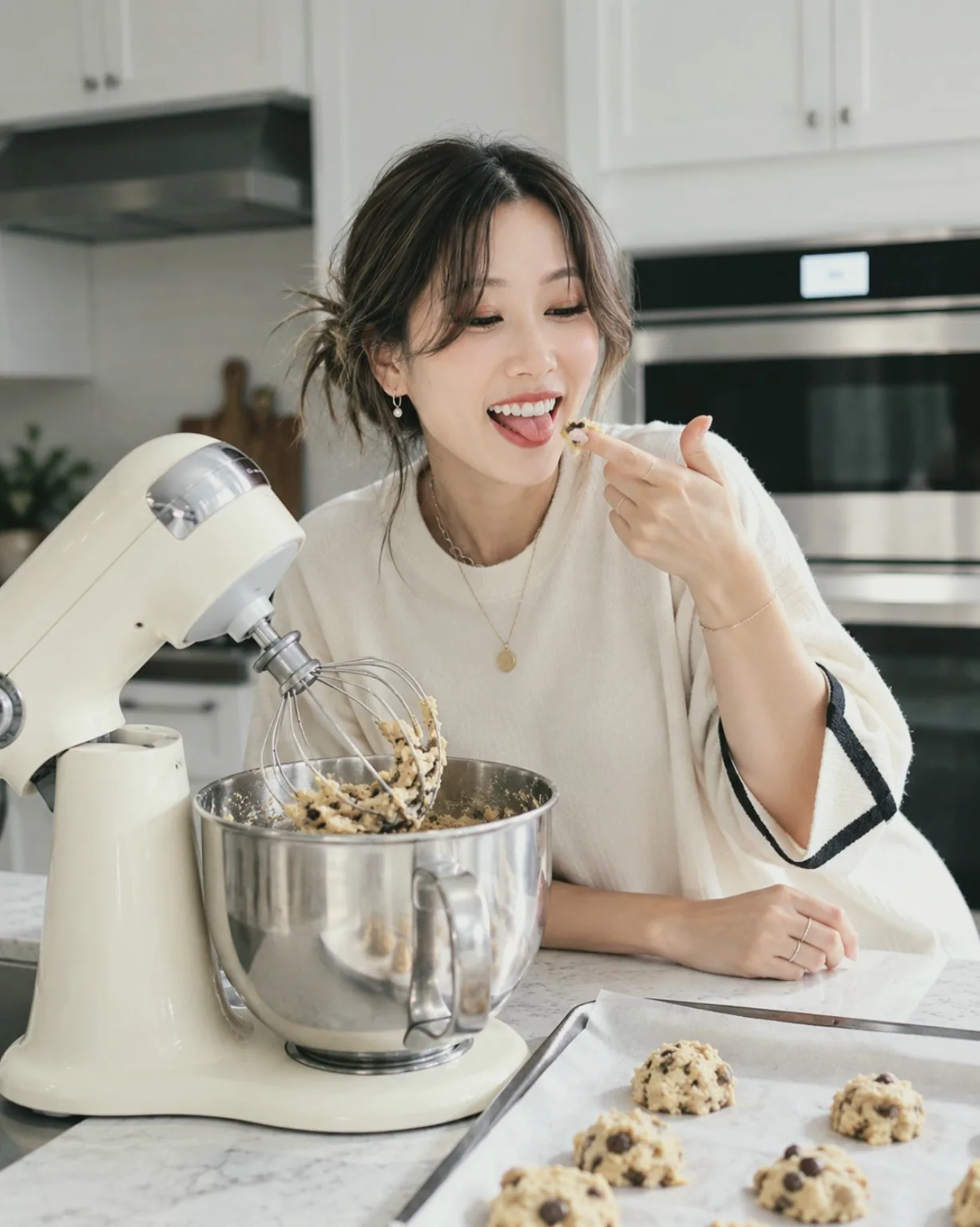
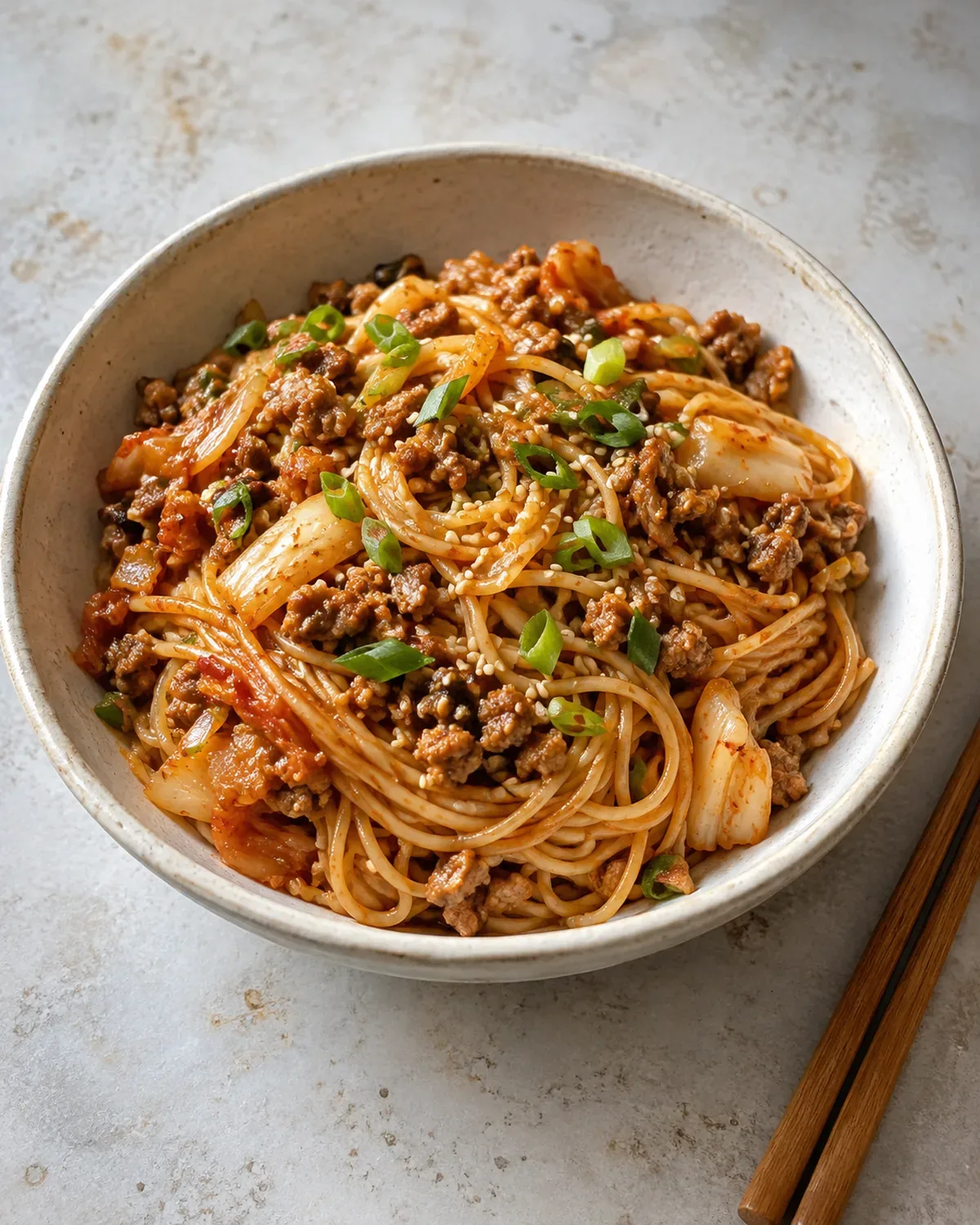
A noodle bowl with several kinds of flavor
Kimchi and ground pork make a useful pair because they bring different strengths to the pan. The pork provides savory richness, while kimchi contributes acidity, chile and a little vegetable texture. Gochujang ties those flavors into a sauce that clings to the noodles. The sesame oil goes in at the end, where its aroma stays noticeable instead of becoming just another cooking fat. Each ingredient has a specific job, which makes the short cooking time feel well used.
This is a four-serving main dish built around a pound of pork and twelve ounces of dried noodles. A fresh vegetable or a small fruit portion can round out the meal without requiring another long recipe. I like to think about those supporting foods before the skillet is hot. Once the noodles and pork begin cooking, the steps move quickly, and an unwashed cucumber or an undecided side is an easy thing to forget.
Choose noodles for the way you cook
Dried wheat noodles and spaghetti both work within the recipe, so you can choose according to what is already in the cupboard. Their cooking times will differ, which is why the package directions and the texture of a strand matter more than one universal minute count. Cook them just until tender because they will still be tossed in the hot sauce. Noodles that are already very soft are harder to move through the pan without breaking.
Reserve the cooking water before draining. It is a small action that prevents a lot of unnecessary scrambling later. Keep it in a heat-safe cup beside the stove so you can add a splash with one hand while tossing with the other. You may not need every drop of the measured amount. The water is there to adjust consistency, and adding it gradually gives you more control than flooding the skillet and trying to cook the excess away.
Let the kimchi keep its character
Chopped, drained kimchi supplies the tart, savory backbone of the sauce. Drain away loose liquid so the pork can cook with the vegetables instead of suddenly swimming in brine. The pieces should be small enough to travel with the noodles, but they do not need to disappear. A little cabbage texture helps distinguish the bowl from noodles coated only in a smooth chile sauce.
Kimchi changes in flavor as it ferments, and different jars can taste noticeably different. A more sour batch will make that acidity more prominent in the finished noodles. Taste a small piece before cooking so you know what you are working with, then follow the written sauce amounts and assess the combined dish before making any optional adjustment. Keep the rice vinegar in mind as part of the overall balance; adding several unmeasured acidic ingredients can overwhelm the pork and sesame flavors.
Step 1: Cook the pork in an uncrowded pan
A deep skillet is useful because it must handle both browning meat and tossing a substantial amount of noodles. Ground pork needs room against the hot surface. Break it into small pieces as it cooks so there are no dense lumps hiding among the noodles. If the meat releases moisture, let it cook off enough for the pork to develop some savory browned edges before moving on to the kimchi and aromatics.
The authoritative cooking check is the stated temperature for ground pork, not simply the absence of pink. Check representative thicker pieces with a food thermometer and follow the kitchen note. Keep the utensils and plate used for raw pork away from ready-to-eat garnishes. Setting out a clean spoon for the finished noodles takes almost no effort, and it prevents the common problem of reaching for whichever tool happens to be nearest the stove.
Step 2: Add aromatics when they can stay fragrant
Garlic and ginger go in with the kimchi after the pork has cooked. They need only a short stir-fry to become fragrant and lose their raw edge. Adding them at the very beginning would expose small pieces of garlic to the full meat-browning stage, where they can darken too much. Stir across the bottom of the skillet so the kimchi and aromatics meet the warm pork and any browned bits evenly.
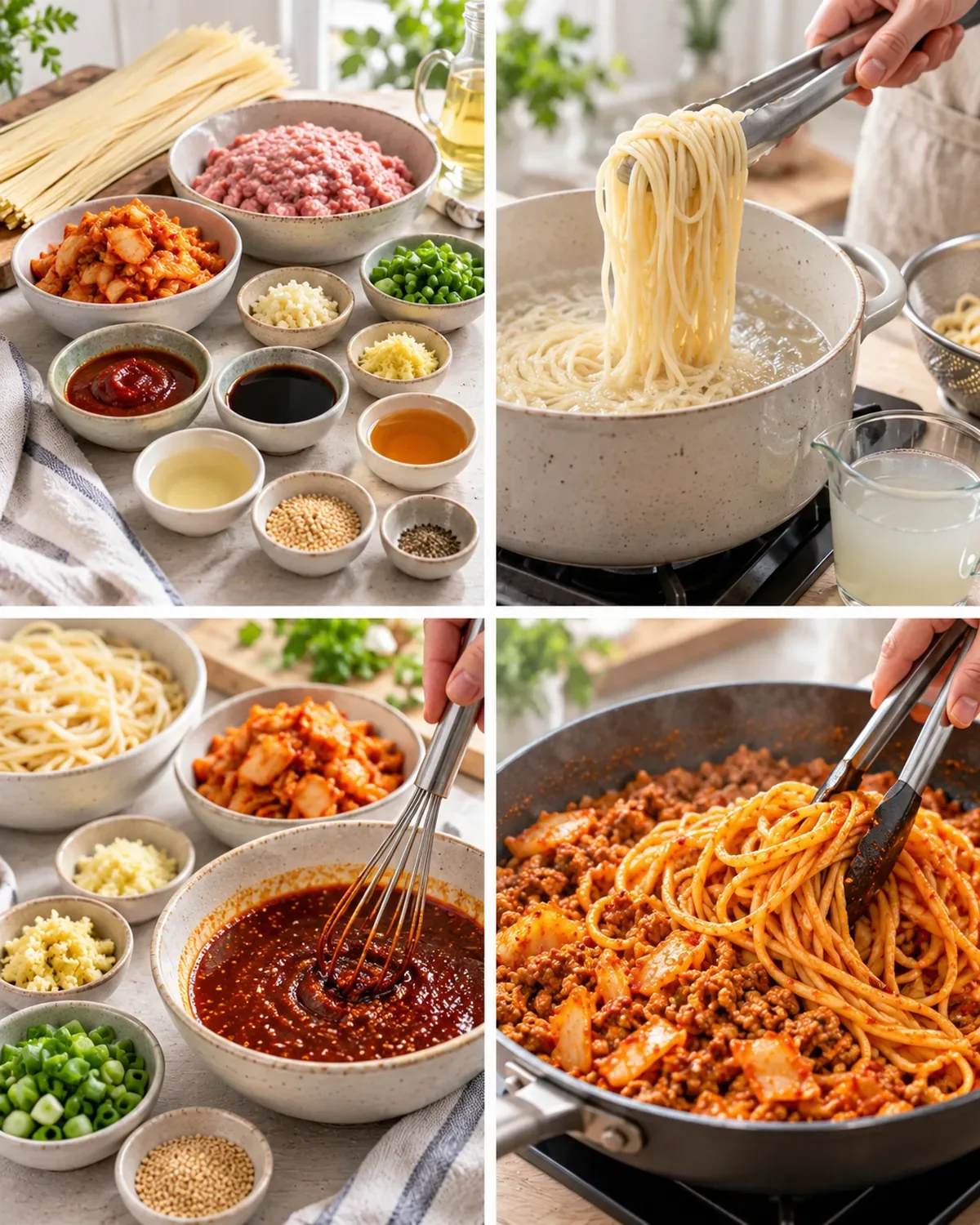
It helps to prepare these ingredients before the pan goes on the heat. Grated ginger and minced garlic can share a small prep dish because they enter at the same stage. Keep the green onions separate, since their final addition gives a fresher flavor. This is the kind of organized preparation that actually saves work: fewer pauses at the stove, no need to hunt for a grater with one hand, and less chance of overcooking an ingredient while finishing another.
Step 3: Build a sauce that coats
Gochujang is thick, so a splash of reserved noodle water helps it spread through the pork instead of sticking in little pockets. Soy sauce supplies salt and savory depth, honey or brown sugar softens the sharp edges, and rice vinegar keeps the combination lively. The tiny measured pinch of black pepper rounds the sauce without turning it peppery. Stir until the chile paste has dispersed before adding all the noodles.
As you toss, look for a glossy coating that follows the noodles. If they drag heavily or remain stuck together, add another small splash of cooking water and toss again. If liquid pools under them, pause before adding more. The sauce should move easily enough to coat the strands but remain concentrated enough to carry the kimchi and pork flavor. Adjusting by small amounts is more reliable than deciding in advance that the pan must use the entire cup you reserved nearby.
Step 4: Finish with aroma and contrast
Turn off the heat before adding the toasted sesame oil. Its nutty aroma is a finishing detail, and a teaspoon can make a clear contribution without making the noodles greasy. Green onions provide a fresh sharpness, while sesame seeds add little toasted bites. Scatter the garnishes evenly across the noodles so each portion gets their fresh and toasted flavors, including any portions set aside for another meal.
The bowl will continue to change as it sits. Noodles absorb sauce, the pork settles between the strands, and steam can soften the green onions. Serve soon after finishing if you want the loosest, glossiest texture. If dinner is running late, have the side dishes and bowls ready before the final toss. This is a better place to save time than rushing the pork cooking or skipping the reserved water that makes the sauce manageable.
Make the ingredients work across the week
An open jar of kimchi, a bunch of green onions and a piece of ginger can all support several meals. Plan those uses while the ingredients are visible on the counter. Kimchi can accompany rice or go into another cooked dish, and the remaining green onions can finish eggs or soup. Ginger can be portioned for later cooking according to how you usually store it. The saving comes from actually using these ingredients, not simply from buying them in a large package.
Choosing spaghetti from the pantry is a sensible option if it prevents a special purchase for one dinner. It is one of the options in the recipe, and it gives this pantry-friendly version its own familiar texture. Likewise, choose honey or brown sugar based on what you keep and enjoy. Start with the written amount, which brings a little sweetness into balance with the savory, spicy sauce.
Portion and store with the next meal in mind
Divide the noodles with attention to the pork and kimchi as well as the strands. It is easy to lift mostly noodles from the top and leave a concentrated layer of meat in the pan. A serving spoon paired with tongs helps you share the mixture evenly. For a lunch, leave space for something fresh and pack any crisp side separately. The saucy noodles have plenty of personality, so the companion food can be very simple.
Refrigerate leftovers promptly in suitable covered containers and reheat portions thoroughly. A little water during reheating can loosen sauce that has been absorbed, but start modestly so the bowl does not become soupy. Keep a packed portion appropriately chilled until it is time to reheat and eat. Planning that cooling, transport and reheating sequence is as useful as planning the initial cooking. A bowl that was easy at dinner should also be practical and properly handled at the next meal.
Kimchi is part of the Seoul flavor I bring to our meals, and my son enjoys it, too. For a packed lunch, think about cooling and storage before the morning rush. Ground pork needs to reach 160°F; refrigerate leftovers promptly and reheat thoroughly. Leave room for fruit or vegetables beside the noodles. I want the whole lunch to matter, not just its saucy center.
Joy.Toss noodles with browned pork, kimchi and a gochujang-sesame sauce. A splash of noodle water helps the savory coating cling to every strand.
Tap each ingredient as it goes into your basket or bowl.
Follow the steps in order to make this recipe.
Boil noodles just until tender. Reserve ½ cup cooking water and drain.
Heat oil in a deep skillet over medium-high. Add ground pork and cook, breaking it apart, until no pink remains and it reaches 160°F.
Add kimchi, garlic and ginger and stir-fry 2 minutes. Stir in gochujang, soy, honey, vinegar and 1/16 teaspoon finely ground black pepper with a splash of noodle water.
Add noodles and toss until coated and hot. Add more cooking water if needed, then turn off the heat and finish with sesame oil, scallions and sesame seeds.
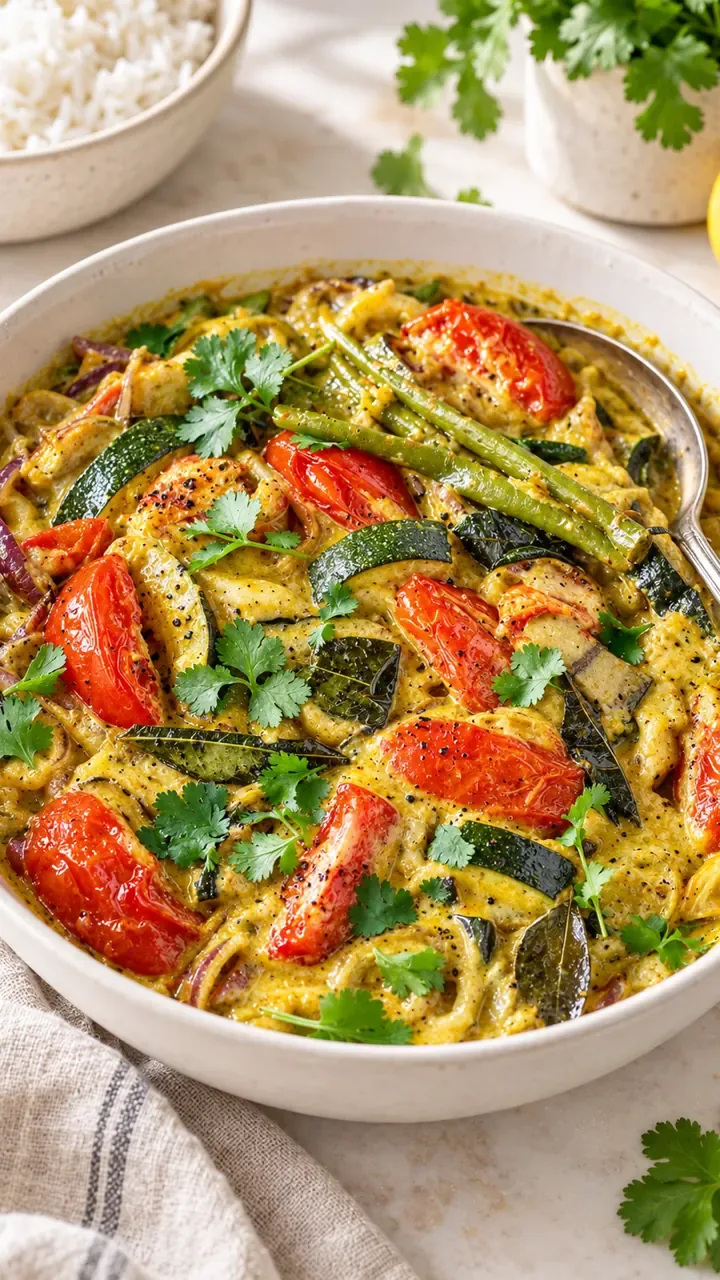
Cozy sauce, bright vegetables, one very happy bowl.
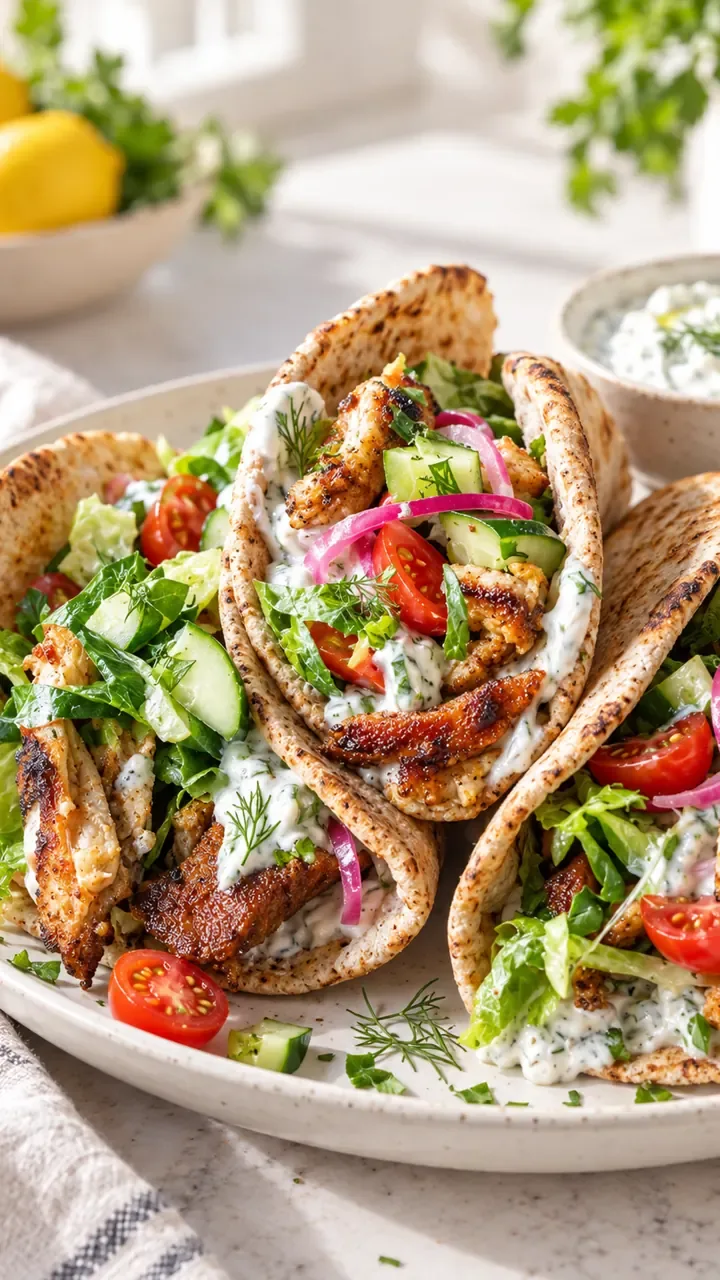
Your favorite little pita pocket, with a glow-up.
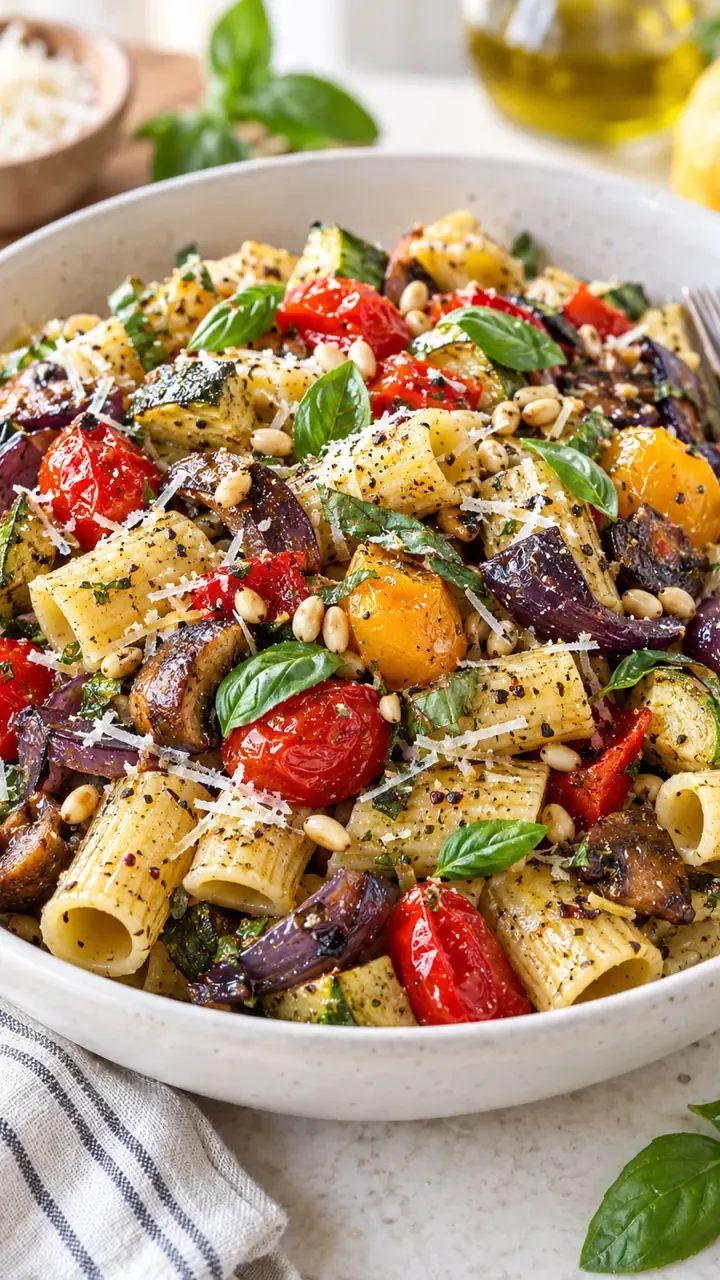
Consider this your farmers-market haul, in pasta form.
Toss noodles with browned pork, kimchi and a gochujang-sesame sauce. A splash of noodle water helps the savory coating cling to every strand.
Joy’s kitchen note · Kimchi is part of the Seoul flavor I bring to our meals, and my son enjoys it, too. For a packed lunch, think about cooling and storage before the morning rush. Ground pork needs to reach 160°F; refrigerate leftovers promptly and reheat thoroughly. Leave room for fruit or vegetables beside the noodles. I want the whole lunch to matter, not just its saucy center.