
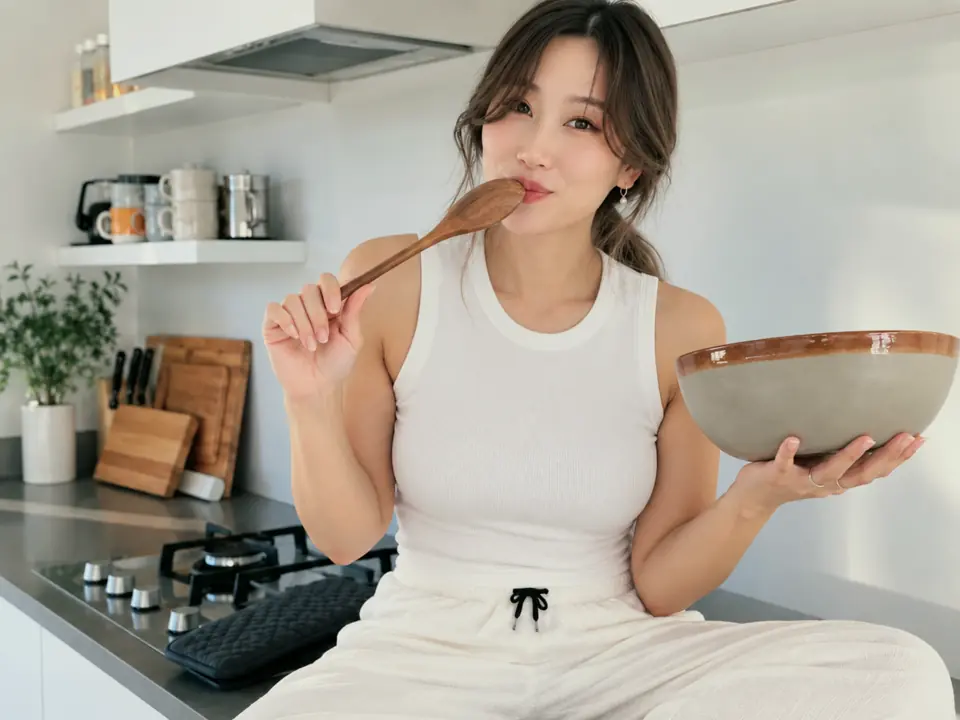
Hi, I'm Joy!
Recipes for everyday joy.
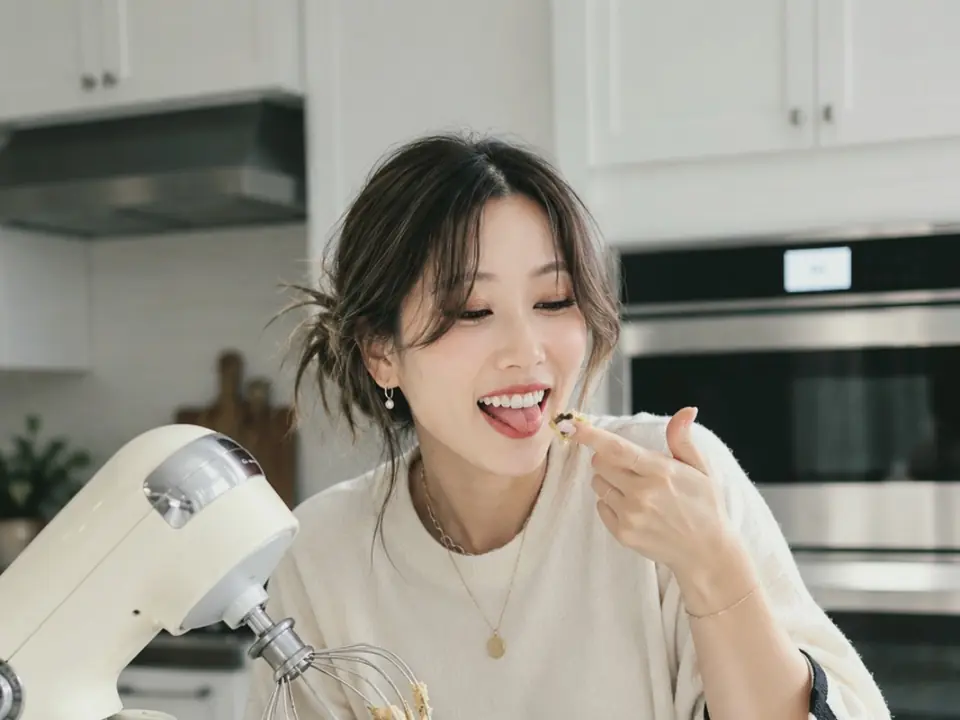
Good food, little joys.
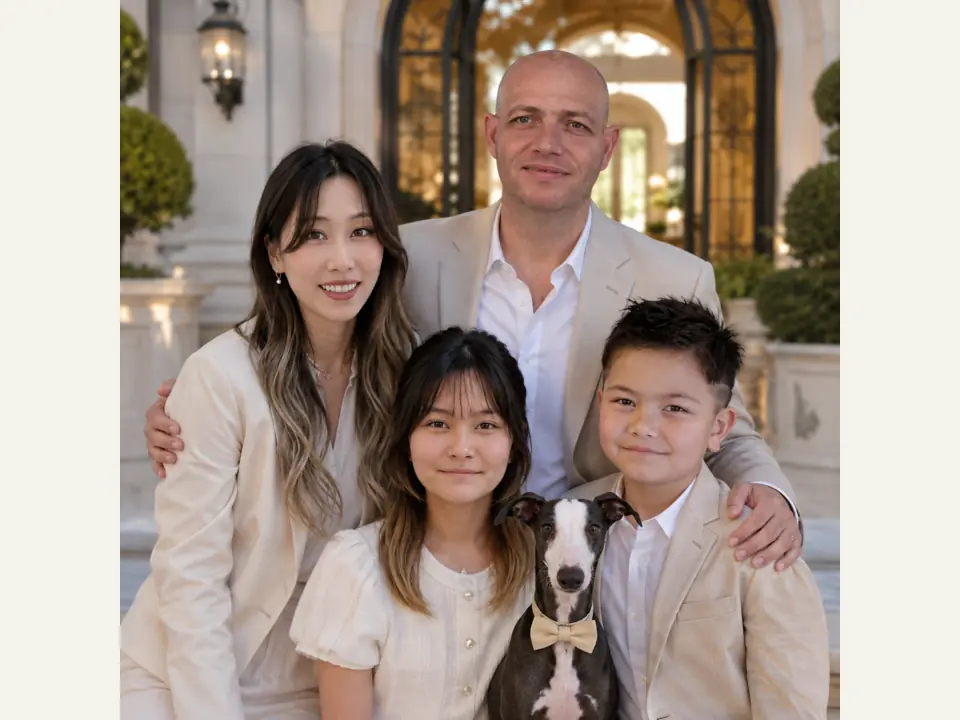
I'm a Korean mom cooking for my American family — and this little corner of the internet is where our two food cultures sit down at the same table.
If you ask me where my cooking really began, it wasn't in a classroom or a culinary school. It began in my mother's restaurant in Korea, with an apron on and a tray in my hands.
I grew up in a restaurant
My mom ran a restaurant in Korea, and from the time I was thirteen years old, I was out front helping her — serving tables, greeting guests, and watching plate after plate come out of her kitchen. I saw what a busy lunch rush looked like. I saw regulars who came back because a meal tasted like home. And I saw how my mom never treated cooking as just a job. Feeding people was how she cared for the world.
I didn't know it then, but those years were my real education. Long before I measured a single ingredient for this blog, I had already learned the lesson that still guides everything I cook: food is how you take care of people, and a table full of happy eaters is the best reward there is. To this day, when I tie on an apron in my own kitchen, I still think of her dining room — and I hope some of what she poured into her food finds its way into mine.
And I come from kimchi people
Food was simply our family's way of life. My aunt — my mom's sister — runs a kimchi factory in Korea and grows her own produce on an organic farm. So while my mom taught me how to feed a room full of guests, my aunt taught me where real flavor begins: with cabbage pulled from good soil, with garlic and chili and salt, and with the patience to let time do its slow, delicious work.
Kimchi in our family is not just a side dish. When the cabbage is harvested, the whole family knows what season it is. It's a rhythm, a tradition, a love language made by the barrel and shared with everyone at the table. Between my mother's restaurant and my aunt's kimchi jars, I grew up believing that cooking for the people you love is never "just cooking."
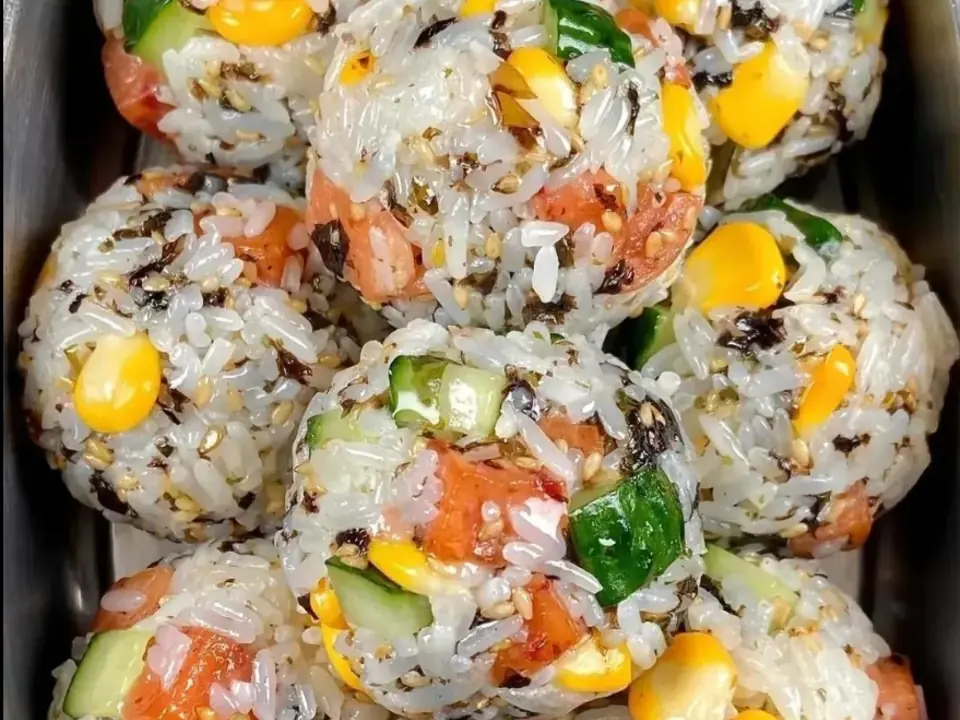
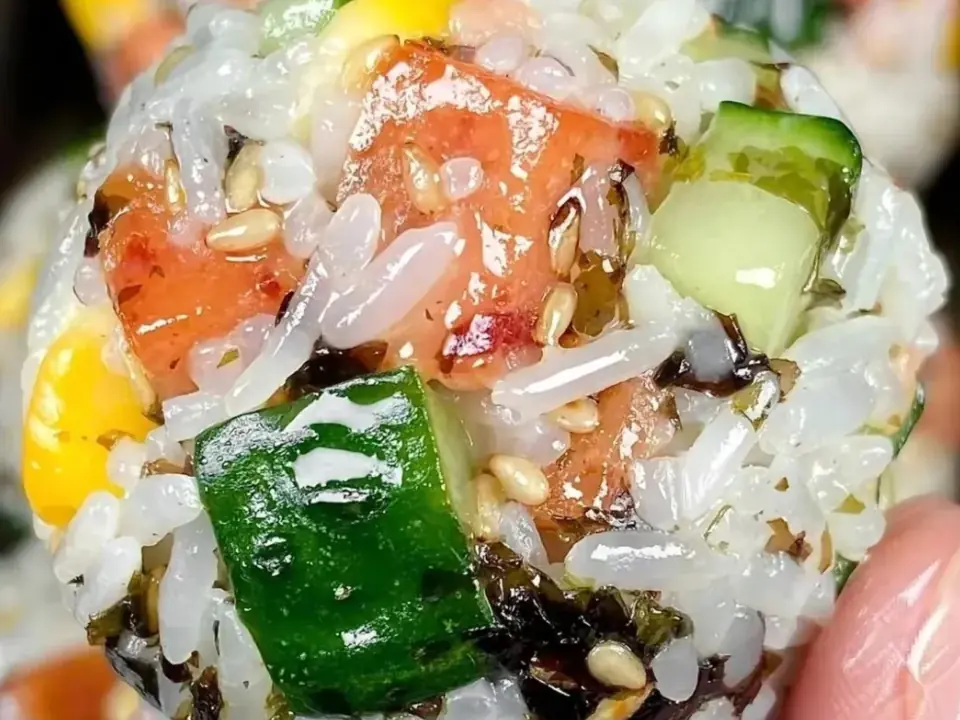
Love, travel, and a very good eater
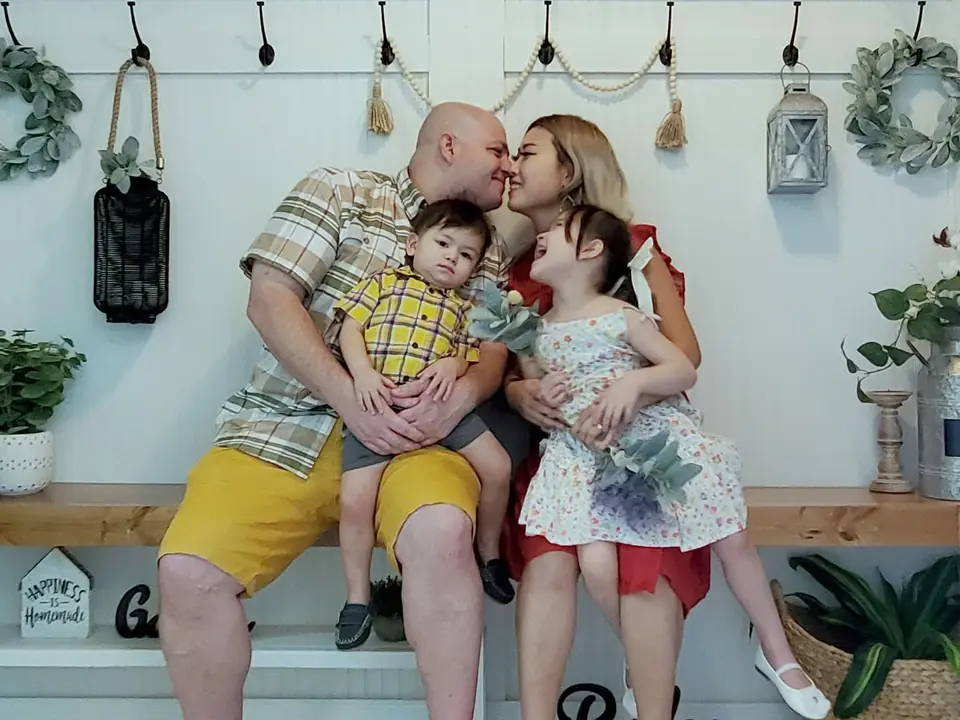
Then life took me traveling — and somewhere along the way, I fell in love with an American man and married him.
I will be honest: I wondered how it would go, a Korean wife and an American husband at the dinner table. I didn't need to worry. My husband eats just about every Korean dish I put in front of him — happily, and often asking for more. The flavors I grew up with became the flavors he looks forward to, and somewhere between his first taste of my family's cooking and today, our table became a place where two cultures genuinely enjoy each other.
Now we live in the United States with our two children, and our kitchen is happily bilingual. My kids are growing up with both of their food heritages within reach of the same table — and honestly, watching them enjoy the dishes my mom once served to a restaurant full of strangers is one of my favorite things in the world.
Why I started packing dosirak
In Korea, dosirak (도시락) meant more to me than a container. It was a meal prepared for someone who would be away from the family table. My mother packed rice and soup in insulated lunch vessels. She did not stop at warm: the rice and soup were so hot that I can still remember opening them. That is the kind of care I think of when I hear the word dosirak.
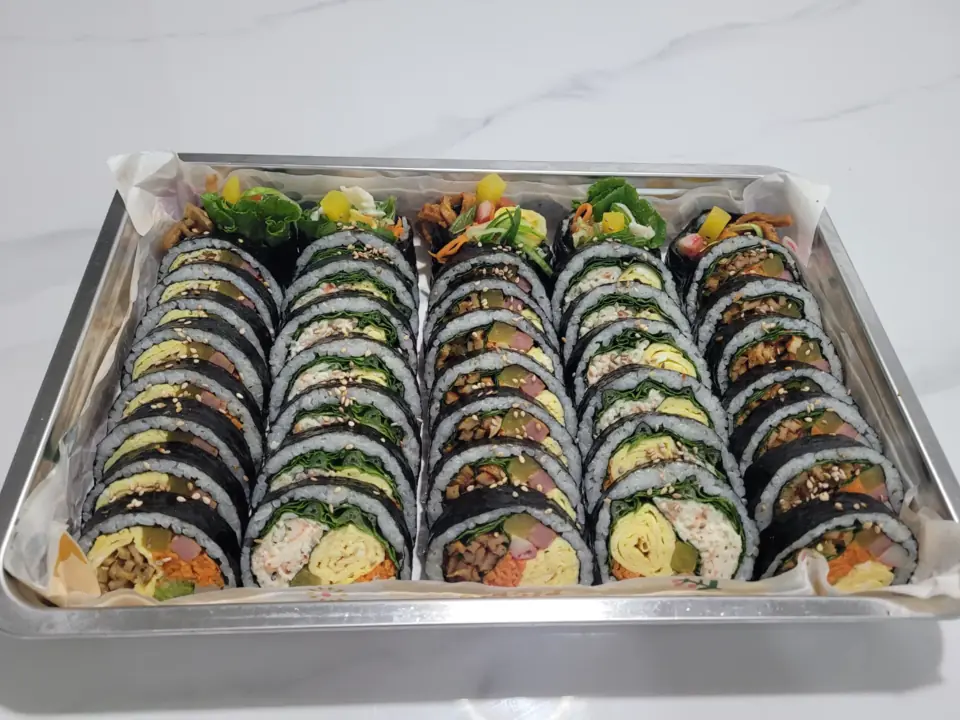
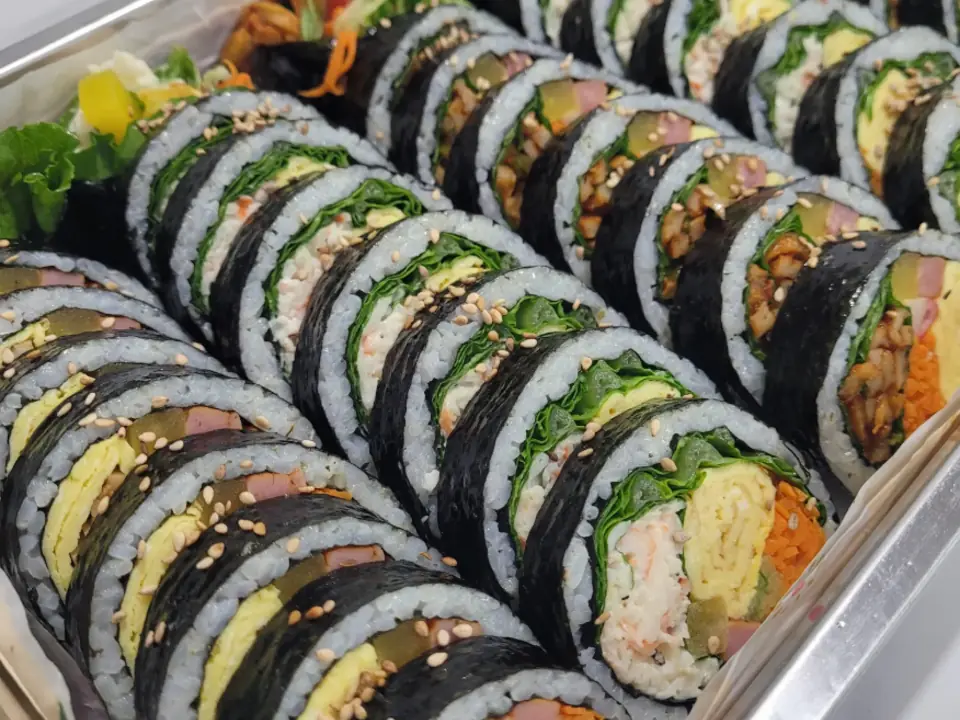
In America, my daughter told me one day, “Mom, I can't eat the school food.” My son had a different way of telling me: he stopped eating lunch at school and came home so hungry that he ate in a rush. I began packing lunches because I wanted the food they ate at home to follow them to school. Some days that means egg kimbap or kimchi fried rice; other days it is curry, a cutlet sandwich or a vegetable-centered bento. The shape can change, while the reason stays close to my mother's way of thinking about a midday meal.
My mother's piping hot rice and soup are a memory, not a packing shortcut. For our school day I use an insulated food jar correctly for a safely hot meal, or chill perishable food and use cold sources. I choose a container the children can open, and I keep sauce away from crisp food until they are ready to eat. Explore my Lunchbox stories and recipes.
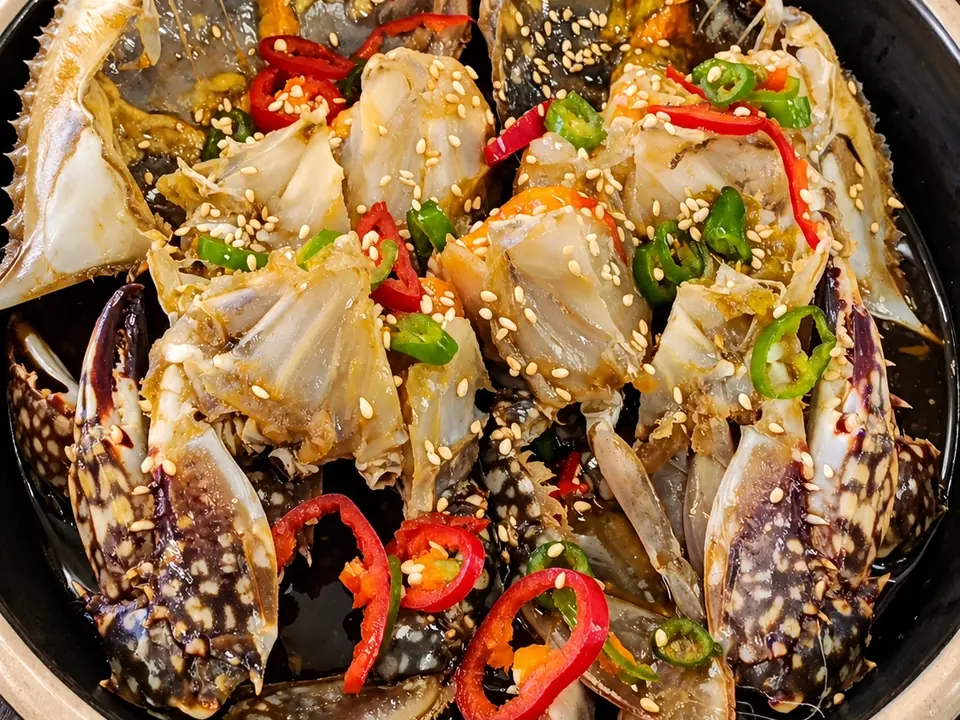
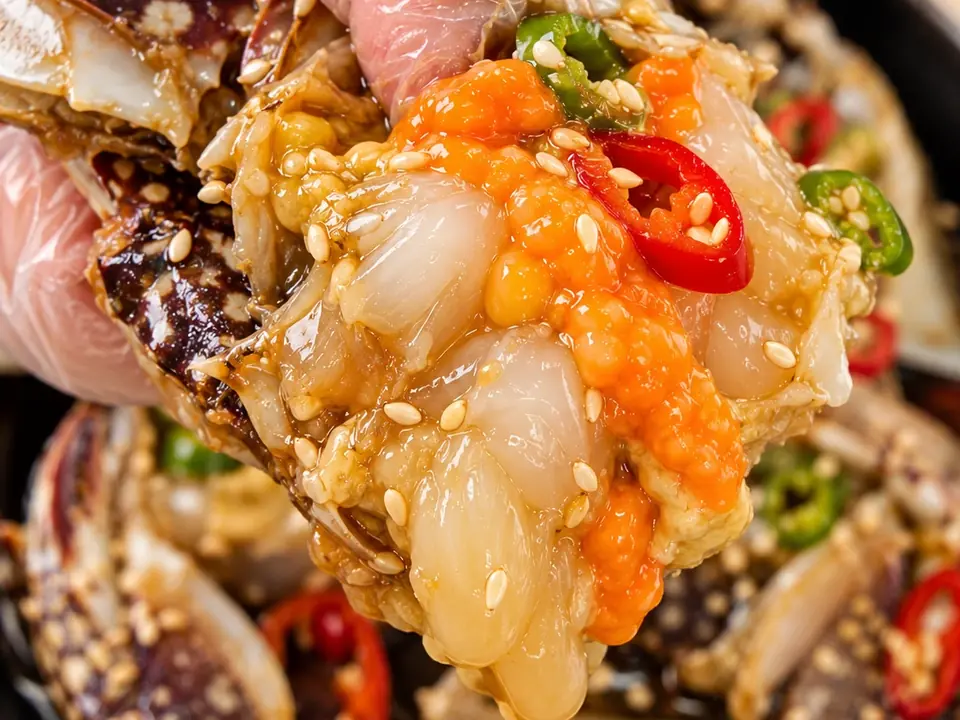
The ganjang gejang pictured here is one of my own dishes: Korean soy-sauce-marinated crab. Sharing it here gives you a closer look at the Korean food that belongs in my kitchen, alongside the everyday meals and new ideas you'll find throughout TastefullyJOY.
What you'll find here
Most days, you'll find me cooking the American family favorites my husband and kids ask for again and again — the cozy weeknight dinners, the holiday treats, the lunchboxes, the desserts that disappear before they've even cooled. And woven through it all are the Korean dishes I grew up on: the ones from my mom's restaurant, the ones seasoned the way my aunt taught me, the ones my American family now requests by name.
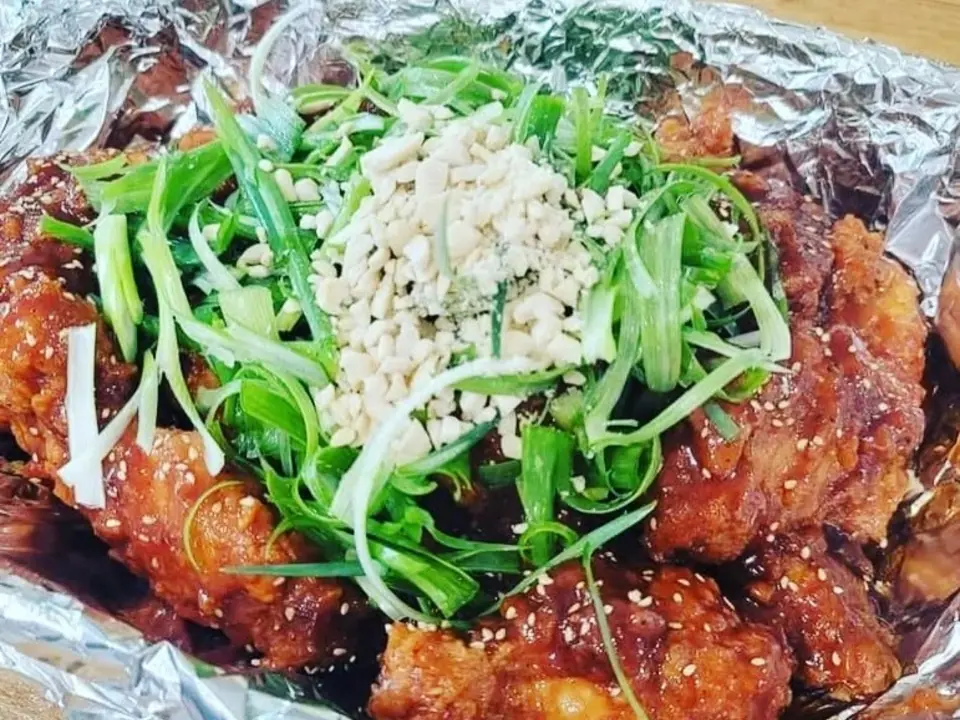
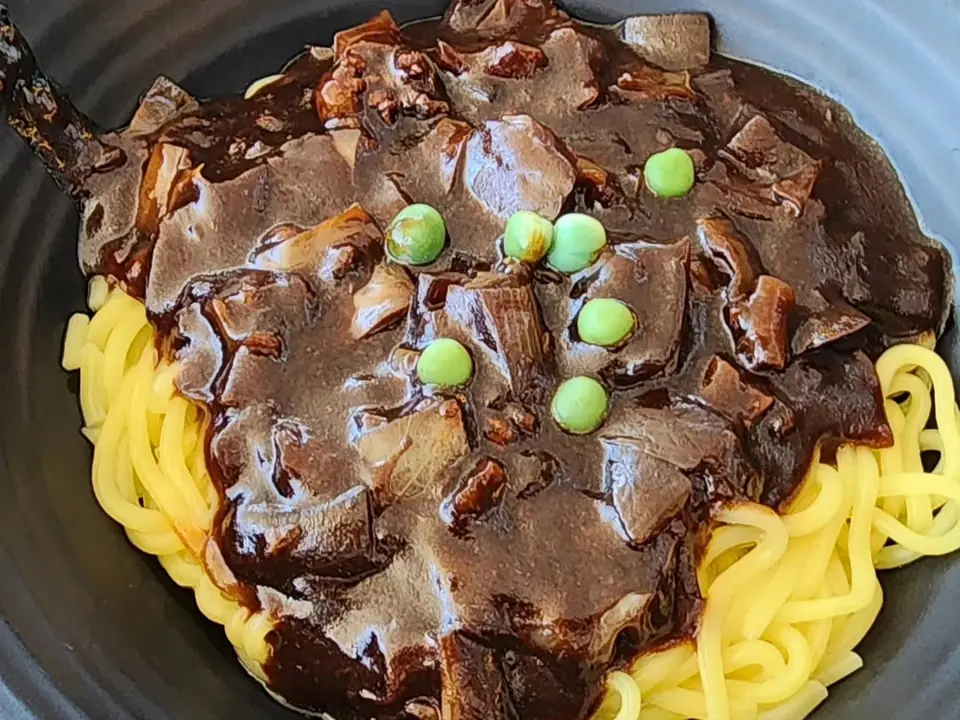
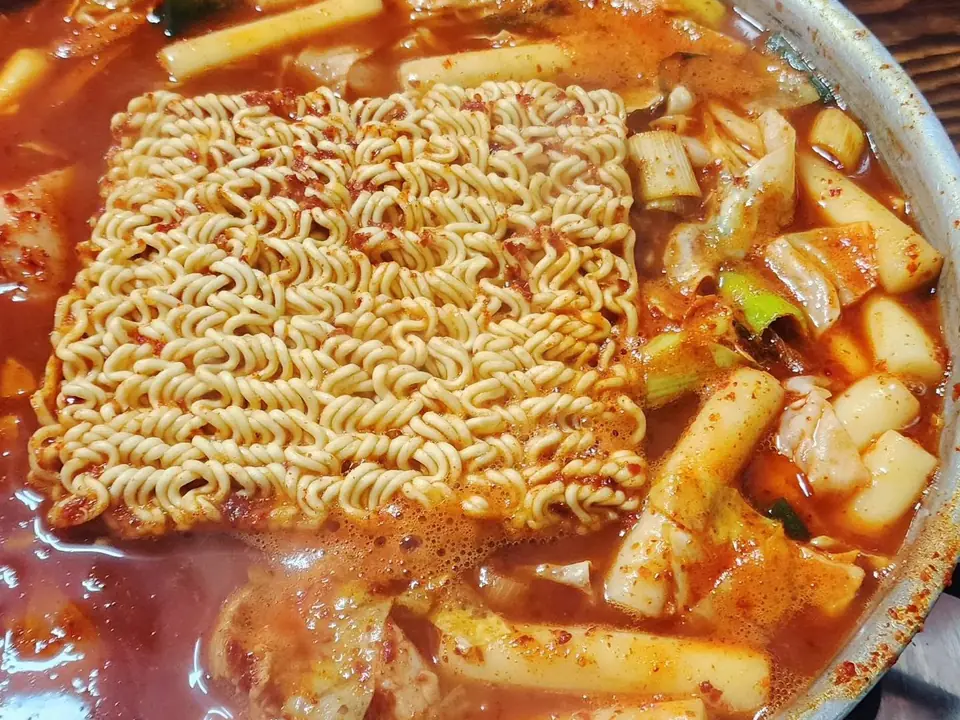
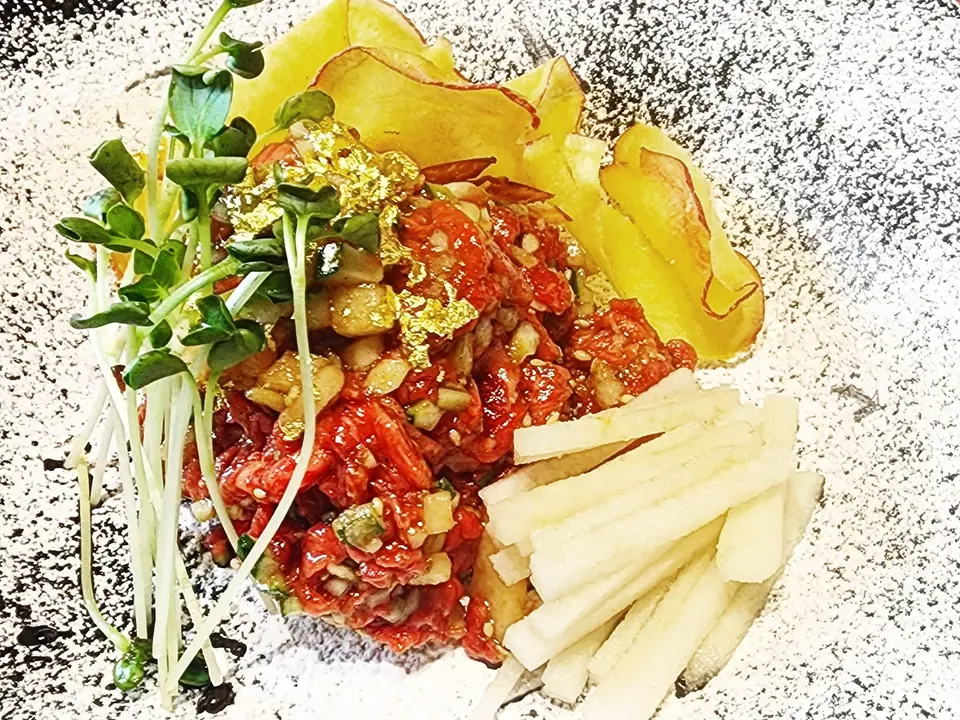
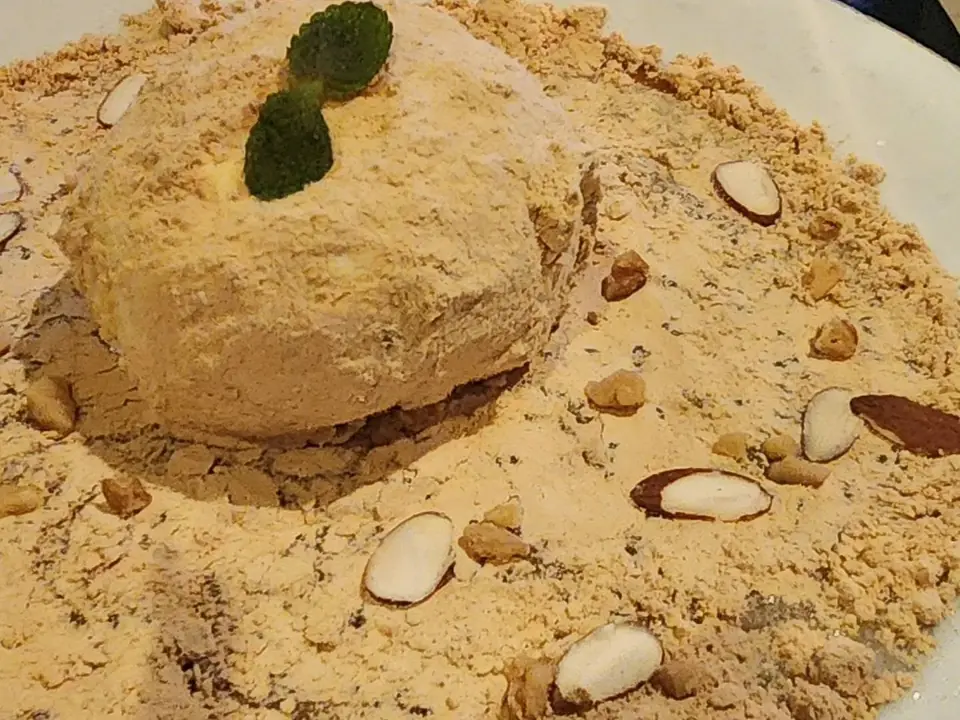
Our family table is where I decide what deserves more attention: how a meal tastes, how much work it takes, and whether it makes sense on a busy day. The Lunchbox stories began with a very real problem at school, and the Korean Kitchen stories began with the food I remember at home.
When you read one of my recipes, you'll also find the story behind the plate, because in my family a recipe is never just a list of ingredients. It's where it came from, who taught it to me, and who I cook it for now.
A few things about me
- I started working in a restaurant at thirteen — serving, not cooking. The cooking came from a lifetime of watching my mom.
- My aunt makes kimchi by the barrel, from vegetables she grows herself. Yes, I know how lucky I am.
- My American husband eats Korean food better than some Koreans I know. (His words? No — mine. But he'd agree.)
- My toughest food critics are my two kids, and they do not hold back.
- I believe every recipe should come with its story — that's why you'll find one behind every plate here.
A little note from Joy
Whether you came here for a weeknight dinner your kids will actually eat, a Korean recipe that tastes like someone's mom made it, or just a cozy place to find inspiration — welcome. You're sitting at my family's table now, and there's always room for one more.
Pull up a chair. Let's cook something delicious together.
— Joy
Follow along: Instagram · Threads · Facebook · YouTube — @tastefullyjoy
Say hello.
For collaborations, recipe questions or a friendly hello, visit the Contact page.