Time20 min prep + 15 min resting
MakesAbout 4 cups
Recipe notesRead before cooking
Tastefully Planned,
Joyfully Cooked.

Make The Garden Salsa with ripe tomatoes, jalapeño, cilantro and fresh lime. A short rest brings the bright, crisp flavors together.

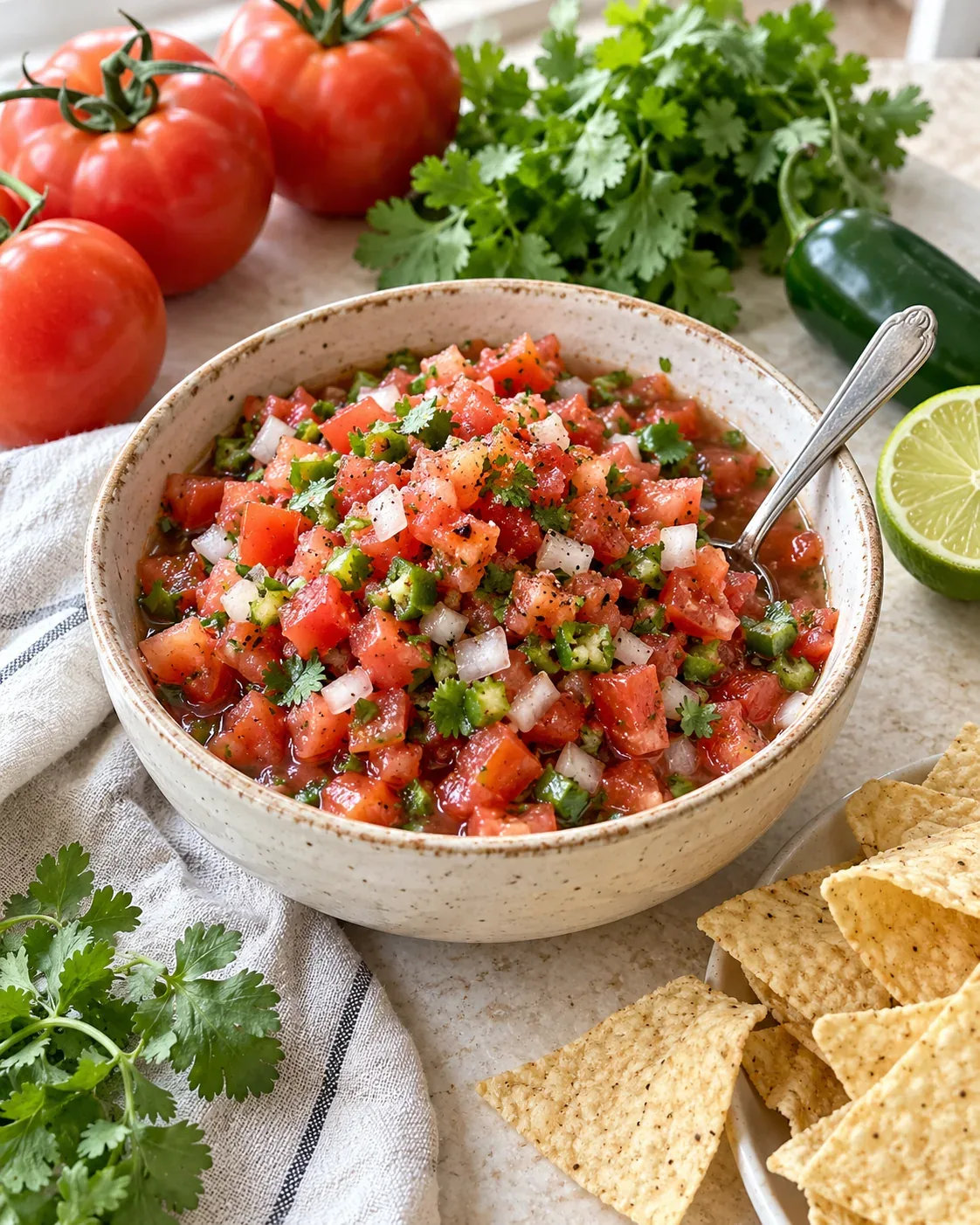
A bowl that tastes like the produce
The Garden Salsa is about finely diced tomatoes, a bright lime finish and enough time for the ingredients to settle together. There is no roasting pan or blender in this version. You should still see the pieces of tomato, onion and cilantro when you scoop a spoonful, with the peppers tucked among them rather than dominating every bite. The short rest does quiet work before the final seasoning decision.
I like the usefulness of a fresh condiment that can belong to more than one part of a meal. It can sit beside chips, brighten a taco or give a simple plate a spoonful of fresh vegetables. That doesn't mean making an enormous batch on the assumption that it will keep indefinitely. This recipe yields about four cups, so the sensible starting point is a plan for the people eating and the meals that can use it while it is fresh.
Start with ripe, sound tomatoes
Tomatoes carry most of the salsa's volume and much of its flavor. Choose ripe ones with good flesh and avoid damaged or spoiled pieces. An expensive tomato isn't automatically the best tomato for a diced salsa; condition and flavor matter more than a special label. If you already have ripe tomatoes at home, use that knowledge to guide shopping instead of buying a second batch because a recipe appeared at the right moment.
Core the tomatoes and dice them finely, keeping the pieces reasonably even. A sharp knife helps cut the skin cleanly without pressing the flesh into the board. The pieces don't have to be identical, but large chunks and nearly crushed pulp behave differently on a chip. Keep the cut size small enough that a spoonful can include tomato, onion and pepper together. Chopping by hand keeps those small, distinct pieces that give the salsa its fresh texture.
Step 1: Drain only when the tomatoes need it
Some tomatoes give up a great deal of juice as soon as they are cut. The colander pause in the method is for those especially juicy tomatoes, helping the salsa stay spoonable. It isn't a request to squeeze all moisture out of every piece. Let excess liquid drip away without pressing the tomato flesh into a dry mass. Tomatoes should still taste juicy when you eat them; the problem is a loose puddle under the finished mixture.
Look at what is actually on the board before choosing that pause. Firmer tomatoes may need less intervention than very soft ones. If you drain them, the waiting time is a good opportunity to mince the peppers and prepare the onion mixture. Keep the drained juice for another immediate cooking use if you already have one, or discard it. Saving every small remainder without a purpose can create more refrigerator clutter than useful economy.
Step 2: Finely chop the onion
White onion adds a crisp, direct flavor against the softer tomatoes. Finely dice it so no single piece overwhelms a spoonful. Large raw onion chunks are difficult to hide once they are mixed into salsa, and adding extra tomatoes later changes the quantity of everything else. Take an extra minute with the knife now rather than asking the final rest to solve a cut-size problem it can't completely fix.
The onion goes into the lime-and-seasoning mixture before the tomatoes, giving it an early coating of acid and salt. Garlic should be finely grated as the card says, which distributes its flavor through the bowl more evenly than leaving chopped chunks. This is an uncooked salsa, so neither ingredient gets a long heat treatment to mellow it. Their cut and distribution are part of keeping the finished flavor bright and balanced.
Step 3: Prepare the peppers
Jalapeño and serrano are the choices offered, and both vary from pepper to pepper. Serranos are often more assertive, but appearance alone doesn't let you predict an exact heat level. Begin with one pepper if you want the milder approach in the method, then use the final taste to decide about the second. Mince carefully so heat spreads through the salsa rather than arriving as one unexpectedly large piece.
Removing seeds and the inner ribs as desired can help moderate the pepper's intensity, though it doesn't turn every pepper into a guaranteed mild ingredient. Avoid touching your eyes while preparing chiles, and wash hands and equipment afterward. For different preferences, keep a little extra minced pepper separate rather than committing the whole bowl to the strongest version. A fresh tomato salsa should have room for the tomato flavor even when you enjoy a noticeable warm finish.
Cumin and oregano sit behind the freshness
Cumin gives the salsa an earthy background, and dried oregano adds an herbal note that differs from the fresh cilantro. They are measured supporting ingredients, not a reason to cover the tomato flavor with more dried seasoning. Mix them into the onion, garlic, pepper, salt and lime base so they disperse before the soft tomato pieces arrive. This is easier than chasing a dry clump around a full bowl.
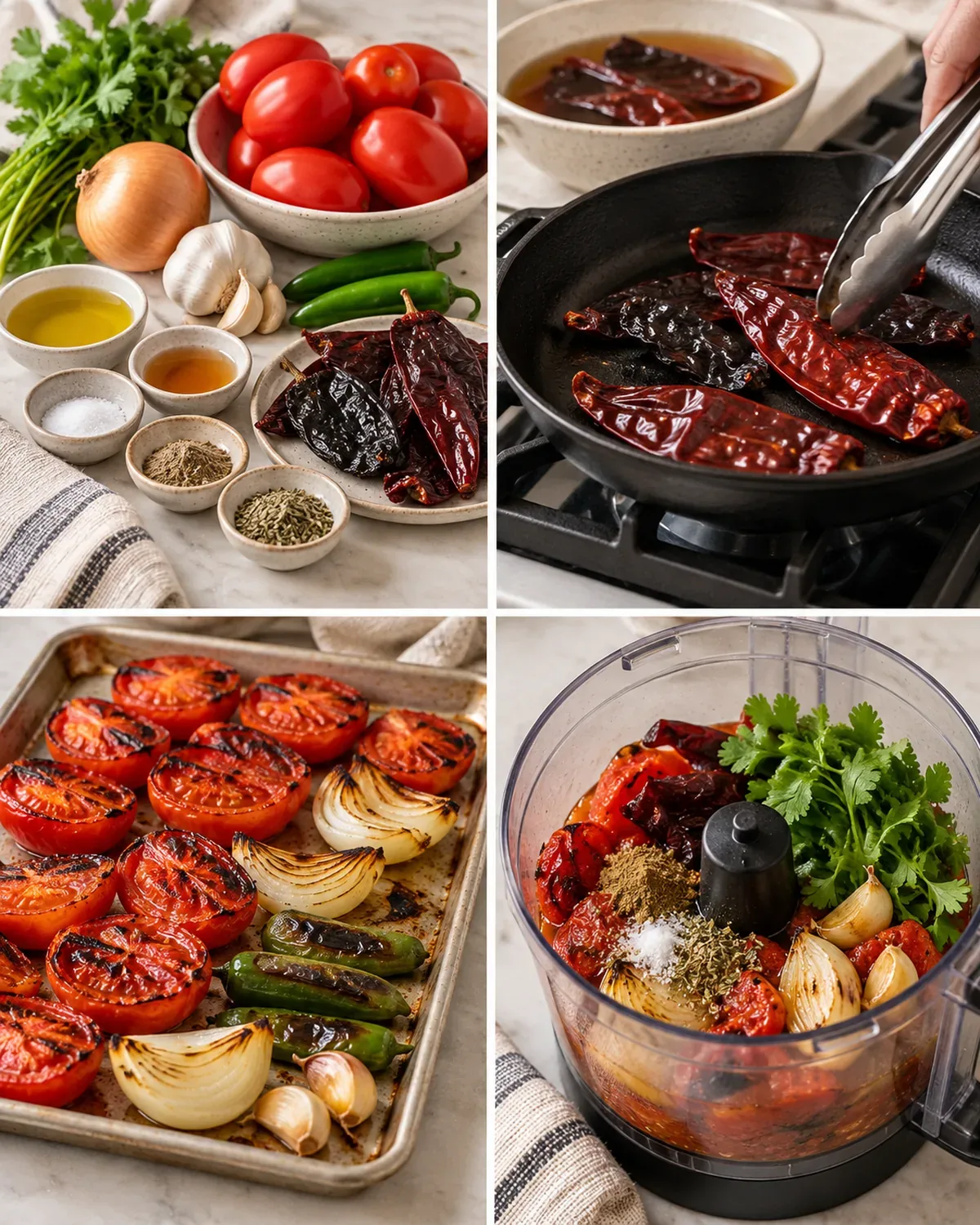
Kosher salt starts drawing out juices once the vegetables are mixed, which is one reason the salsa needs its rest before you decide it is finished. Follow the amount in the card, then judge the final adjustment with the actual food you'll serve alongside it. A salty tortilla chip changes the impression of a spoonful. Tasting the bowl with a chip is more useful than adding salt solely because the liquid at the bottom tastes milder than expected.
Step 4: Add lime juice
Fresh lime juice brings a clear tart finish, but more isn't always better. The tomatoes have their own acidity, and the rest lets all those flavors mingle. Measure the starting amount rather than squeezing several limes directly over the bowl and hoping for balance. A small extra squeeze at the end is easy; pulling excess lime out of a finished salsa is not. Keep the final adjustment separate in your mind from the initial mixture.
Lime doesn't make this salsa shelf-stable or replace refrigeration. It is a flavor ingredient in a fresh recipe. That distinction is useful because fresh salsa sometimes looks similar to a jarred product with an entirely different process behind it. Make this bowl for refrigerated, near-term enjoyment, and keep the recipe as written instead of improvising a canning plan. The reward here is the fresh diced texture, not a pantry jar that can wait for months.
Step 5: Chop and add cilantro
Cilantro leaves and tender stems both belong in this recipe. The stems can carry plenty of flavor, so you don't have to strip every small leaf from every fine stem. Leave out thick, tough sections and chop the tender parts finely enough to mix comfortably with the diced vegetables. Wash and dry the bunch first so you aren't adding a hidden splash of rinse water to a salsa you've just taken care to drain.
Fold the cilantro in with the tomatoes and olive oil. The oil rounds the sharper flavors without turning the salsa into an oily dressing. Use a broad spoon and a gentle motion so the tomato pieces stay visible. Repeated hard stirring can break the flesh and create more loose liquid, especially with very ripe tomatoes. Once the ingredients are evenly distributed, give the bowl its rest instead of continuing to work it simply because you're waiting.
Step 6: Let the salsa rest before tasting again
The fifteen-minute rest in the card gives the vegetables time to release some juices and soften the first sharp impression of salt, lime and raw onion. It doesn't cook the salsa, and you should still expect a fresh crunch. Let the bowl settle while you finish setting the table or prepare whatever will accompany it. There is no need to turn a short useful pause into a long countertop hold.
After the rest, fold gently and taste with a tortilla chip. Use that taste to choose one small adjustment at a time: a little salt, lime or pepper, according to what the salsa needs. If it tastes lively but has too much liquid, stronger seasoning isn't the answer to the texture problem. Use a spoon to lift a balanced portion. Small, separate decisions make it easier to keep the salsa's character than one large last-minute correction.
Plan where four cups will go
A fresh salsa is easy to set out for several people, but portion planning still matters. About four cups can be generous when everyone wants only a small spoonful alongside another dish. Think about the main meal before doubling it. If tacos or a rice bowl are already planned, this salsa can contribute tomatoes and herbs without requiring a second shopping list for another elaborate side. The most useful accompaniment is one you have a clear reason to serve.
At the table, use a clean serving spoon and a bowl sized to the portion being offered. Bring out more from the refrigerator as needed rather than keeping every bit on the table throughout a long meal. For a family with different heat preferences, the extra pepper can remain separate and clearly offered. That lets the salsa stay bright and approachable while leaving a choice for someone who wants a stronger spoonful.
Keep the fresh texture in mind
Refrigerate the salsa in a clean, covered container and use clean utensils each time you take a portion. Plan to enjoy it soon; the tomatoes will continue to release liquid and soften as they sit. Give a refrigerated portion a gentle turn before serving, then lift it out without automatically pouring all accumulated juice over chips or into a wrap. The flavor may mingle further even as the neat diced texture gradually changes.
Keep leftover chips separate and dry, and don't return salsa from used plates to the main container. This is a small-batch fresh food, with storage choices that should reflect that. A thoughtful use for the remaining tomatoes, onion and cilantro is part of the same plan. I would rather give the purchase two clear jobs than make more salsa than the household can enjoy at its best. A useful condiment should make dinner easier from the first chop to the last portion.
My son enjoys bolder heat, while my daughter usually prefers a gentler spoonful, so I start this salsa bright and mild and keep extra jalapeño for the table. Drain very juicy tomatoes before mixing, then let the bowl rest for 15 minutes. Taste again only after that rest—the tomato juices soften the salt and lime, and the final adjustment is much easier to judge.
Joy.Make The Garden Salsa with ripe tomatoes, jalapeño, cilantro and fresh lime. A short rest brings the bright, crisp flavors together.
Tap each ingredient as it goes into your basket or bowl.
Follow the steps in order to make this recipe.
Core and finely dice the tomatoes. If they are especially juicy, let them drain in a colander for 10 minutes so the finished salsa stays spoonable rather than watery.
Stir the onion, peppers, garlic, salt, cumin, oregano and lime juice together in a large bowl. Begin with one pepper if you want a milder batch.
Add the tomatoes, cilantro and olive oil. Fold gently until everything is evenly mixed while keeping the tomato pieces intact.
Let the salsa rest for 15 minutes. Taste with a tortilla chip, then adjust the salt, lime or remaining pepper before serving.
Consider this your farmers-market haul, in pasta form.
Your favorite little pita pocket, with a glow-up.
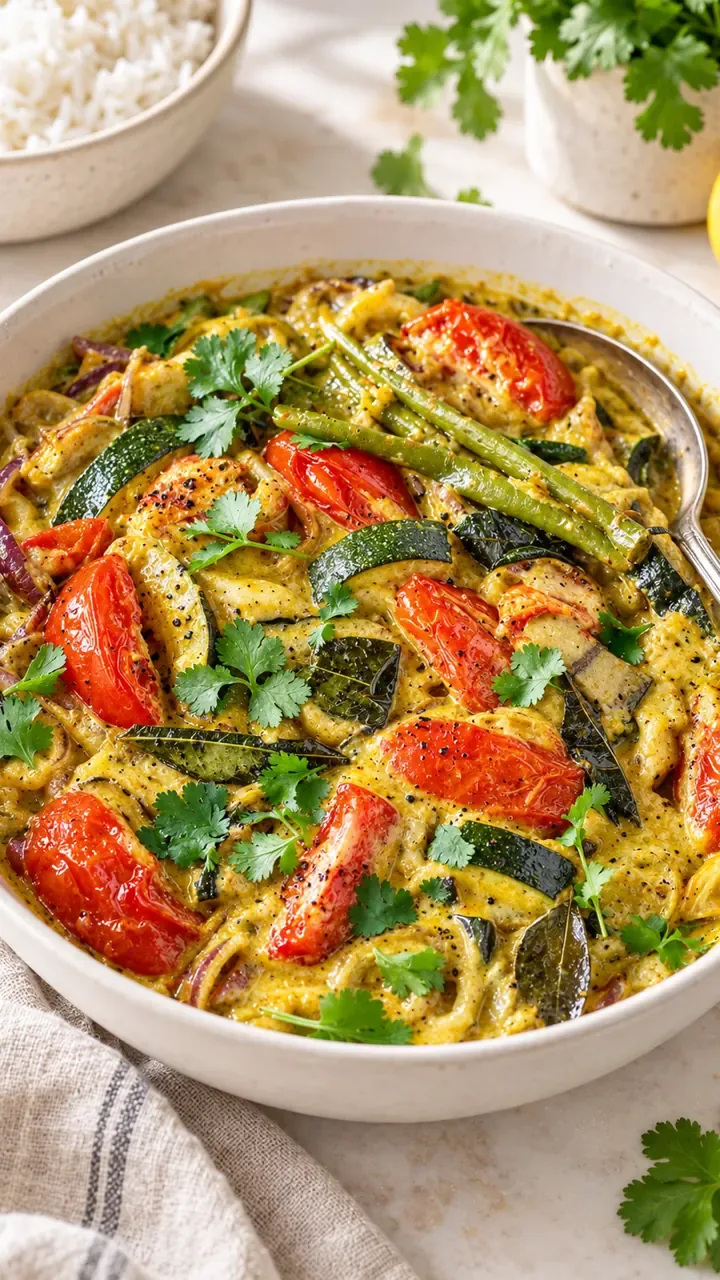
Cozy sauce, bright vegetables, one very happy bowl.
Make The Garden Salsa with ripe tomatoes, jalapeño, cilantro and fresh lime. A short rest brings the bright, crisp flavors together.
Joy’s kitchen note · My son enjoys bolder heat, while my daughter usually prefers a gentler spoonful, so I start this salsa bright and mild and keep extra jalapeño for the table. Drain very juicy tomatoes before mixing, then let the bowl rest for 15 minutes. Taste again only after that rest—the tomato juices soften the salt and lime, and the final adjustment is much easier to judge.