Time15 min prep + 20 min grilling + 30 min marinating
Makes4 servings
Recipe notesRead before cooking
Tastefully Planned,
Joyfully Cooked.

Grill Korean-style chicken thighs with a gochujang-honey glaze. Reserve clean sauce before marinating and check the meat with a thermometer.

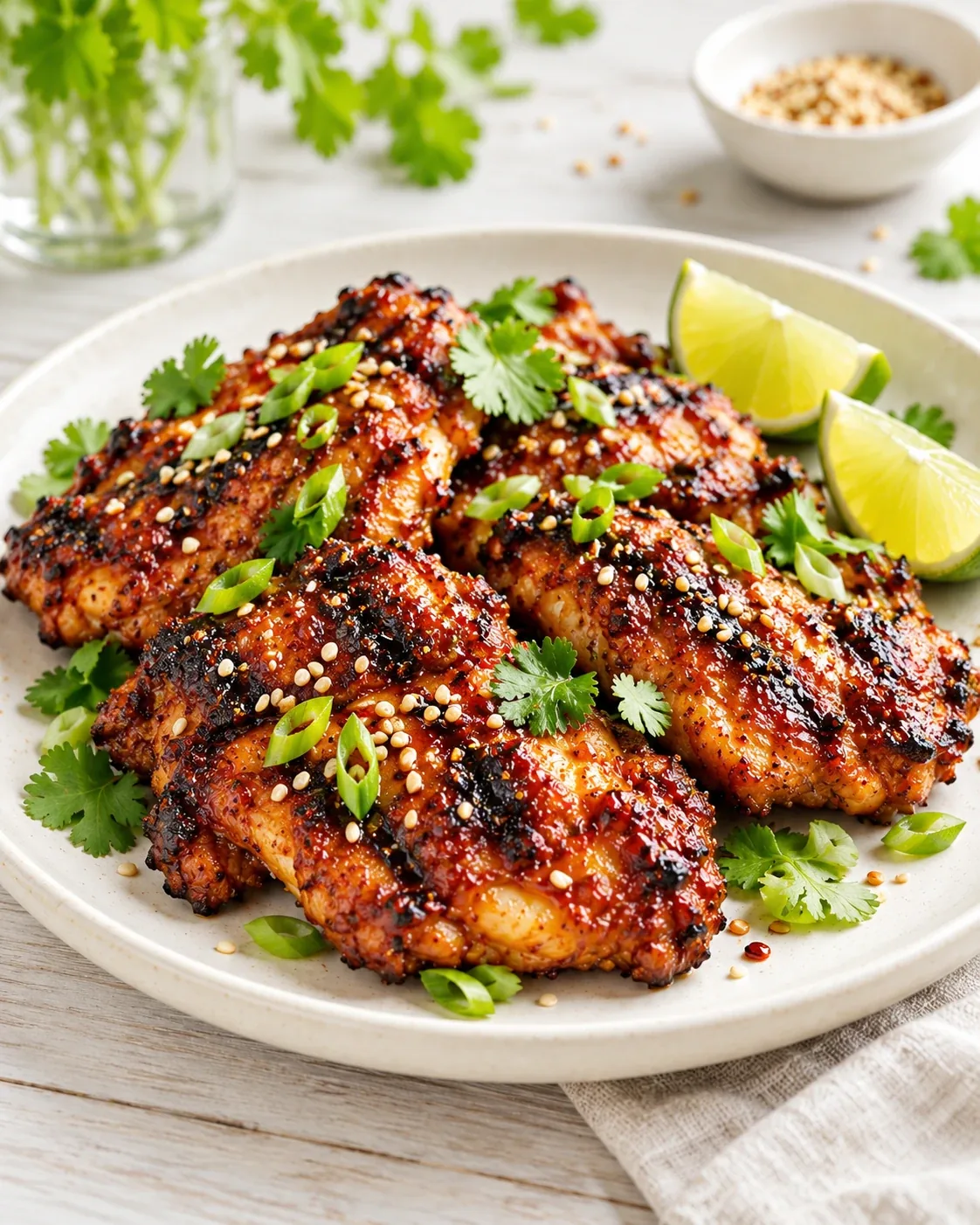
A familiar grill with a Korean glaze
This chicken brings gochujang, sesame, garlic and ginger to the kind of grilled dinner that fits comfortably on an American family table. The glaze is savory and gently sweet, with rice vinegar keeping it lively. Boneless thighs give you a flavorful main without needing carving at the table. Lime and green onions finish the plate with a fresher edge, so the final impression is more than a dark, sticky coating.
I grew up in Seoul and now cook in an American home, so combinations like this feel practical to me. A familiar cooking method can carry flavors I want to keep in our meals. The recipe serves four, and it works well with simple vegetables and a starch chosen for the rest of the plate. Plan the marinating time first; the chicken needs that refrigerated interval even if your grill heats quickly and the side dishes are nearly ready.
Step 1: Choose and prepare the thighs
Boneless, skinless chicken thighs are the specified cut, and their uneven shape is worth noticing before they go into the marinade. Open any folded sections so you can see the thickness of the meat. Pieces that are bunched tightly into themselves are harder to cook evenly. Trim loose excess as needed, but do not spend time trying to make every thigh look perfectly square. Even exposure to heat matters more than a uniform outline.
If the package contains pieces of very different sizes, plan where they will sit on the grill and how you will check them. The smallest piece may be ready before the largest. Keep raw chicken on its own board or tray, and set out a clean serving platter before cooking. That little bit of setup prevents the easy mistake of carrying grilled chicken back onto the same dish that held it raw.
Step 2: Mix the glaze until it is even
Gochujang supplies chile heat and fermented depth, soy sauce adds savory saltiness, and honey balances the sharper notes. Rice vinegar, ginger and garlic keep the glaze from feeling flat. The sesame oil gives the glaze its toasted aroma. Whisk thoroughly so the honey and gochujang are fully dispersed; otherwise the first spoonful and the last can have noticeably different sweetness and intensity.
Reserve the clean finishing portion before the remaining sauce touches the chicken. Put that portion in its own bowl with a clean brush or spoon nearby. This is both a food-handling step and an organization step: once the grill is busy, you should not have to remember which bowl held raw chicken. The measured reserved glaze gives the final surface a fresh layer of flavor without needing to retrieve anything from the raw marinade dish.
Step 3: Let the refrigerator handle marinating
Coat the chicken with the remaining sauce and refrigerate it for the stated time. Turn or arrange the pieces so the surfaces have contact with the mixture rather than leaving some tucked tightly underneath. A covered shallow container is useful because it keeps the chicken contained and makes it easier to see whether the sauce is distributed. Keep it away from ready-to-eat foods in the refrigerator.
This is a short marinade, which means you can use the interval for vegetables, rice or grill preparation. There is no need to invent a much longer schedule to make the dish seem more flavorful. Longer is not automatically better for every mixture or every cooking plan. Follow the recipe as written first, and keep the marinade cold throughout. The chicken can go from its refrigerated preparation stage to the grill without a prolonged wait on the kitchen counter.
Step 4: Prepare a grill with room to move
The recipe calls for medium heat and a lightly oiled grill. That setting is important because gochujang and honey color readily. A very fierce fire can darken the outside while the thickest portion remains unfinished. Have a cooler or indirect area available so you can move pieces as needed. The ability to relocate the chicken is more useful than trying to make one exact patch of heat serve every stage of cooking.
Use the neutral oil for the grill setup as directed and keep tools ready before the chicken comes outside. Clean tongs, the reserved glaze, a thermometer and the serving platter should all have a clear place. If you are cooking vegetables too, leave enough space to turn the thighs without bumping them into other food. Crowding makes temperature control and handling harder, particularly when a piece needs to move away from a hot spot quickly.
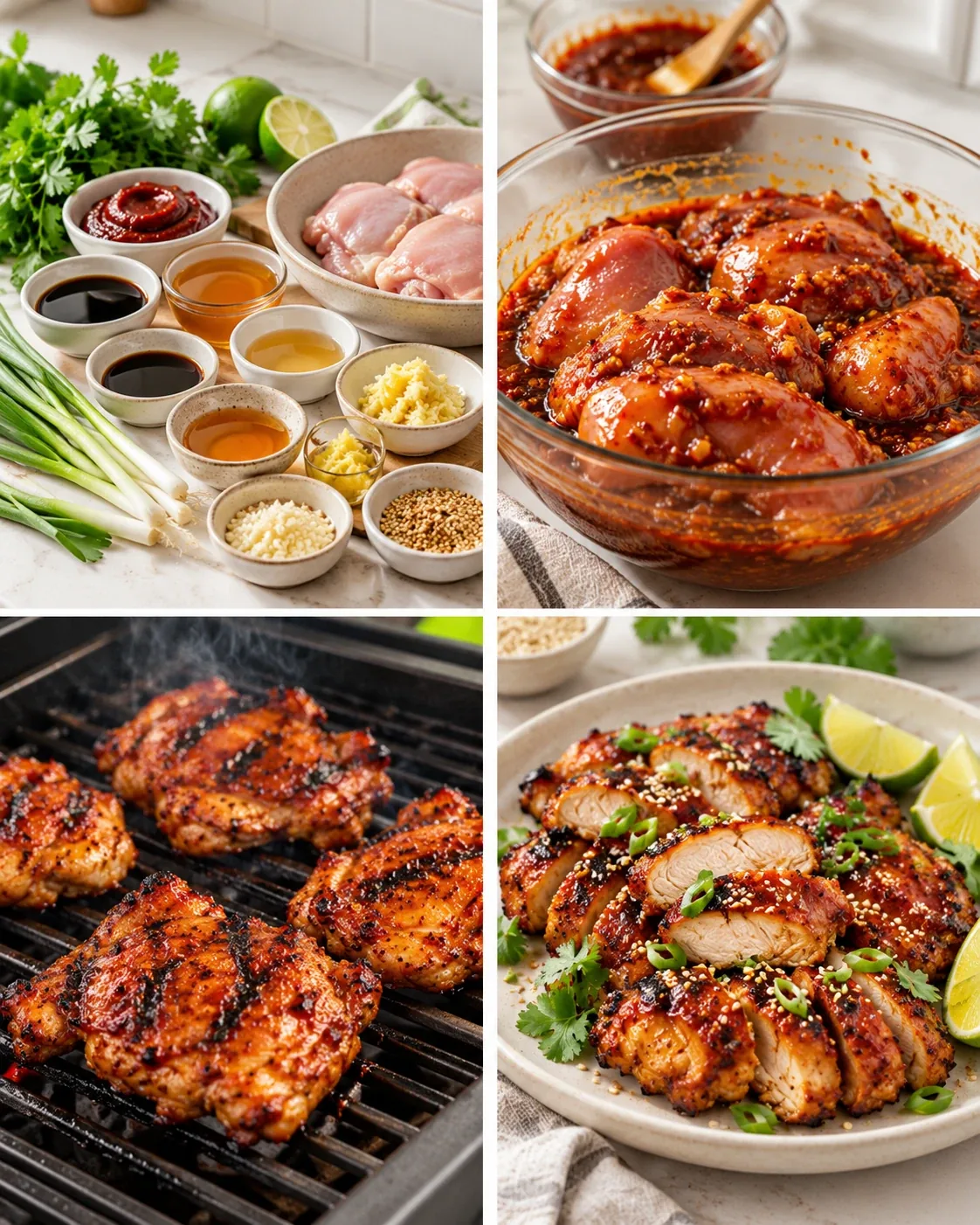
Step 5: Grill the chicken and watch the browning
The first side needs enough contact time to develop color. Repeatedly nudging the chicken can tear the surface and make it harder to judge the sear. Turn with tongs when it is ready, then keep watching both the color and the progress through the center. A few darker edges can be appealing, but an all-over black coating is not the goal. The honey and chile paste should taste savory and sweet, not harsh.
The stated minutes per side are a guide to organize the cooking, not proof that every thigh is finished. Grill strength, weather and piece thickness all affect timing. If the surface colors too quickly, move the chicken to indirect heat rather than continuing over the same hot spot. That lets the center continue cooking with less pressure on the glaze. There is no advantage to perfect grill marks if the piece still needs careful cooking inside.
Step 6: Check the thickest part with a thermometer
Check the thickest part of the chicken against the recipe's stated temperature. Insert the thermometer into the center of the thickest part, keeping its tip clear of the hot grill and the thin edges of the meat. Check more than one piece when sizes differ. Use color, firmness and grill marks to follow the cooking, and confirm doneness with that center temperature.
Keep the thermometer and utensils clean as you work, especially if a first check shows that more cooking is needed. The clean reserved glaze belongs in the final minute, as the recipe directs. Do not brush finished chicken with sauce that has been sitting against raw meat. The kitchen note explains the handling of used marinade; reserving a separate clean portion at the start is the simpler plan built into this recipe.
Step 7: Finish with fresh choices
Green onions and sesame seeds add a familiar Korean finishing combination, while lime gives each person a way to add brightness. Cilantro is optional, so leave it on the side if the table has different preferences. Keeping a garnish optional is an easy form of flexibility because it does not require changing the main cooking process. Slice the green onions thinly so their flavor is easy to distribute over the platter.
Serve the chicken in pieces that are comfortable for the meal you have planned. Whole thighs make a straightforward dinner plate; sliced chicken can be easier to divide among bowls or other shared dishes. Use a clean cutting board after the cooking checks are complete. A simple vegetable side helps balance the richness of the glaze and gives the meal another texture. You do not need to cover the entire plate with more sauce for the chicken to remain the center of attention.
Make the grocery list serve another meal
A package of thighs, a bunch of green onions and a small piece of ginger can fit into a realistic week of cooking. Look at the package size and decide how much chicken belongs to this recipe before beginning. If you buy more than needed, handle the extra according to its own storage plan rather than mixing it into the marinade without considering the sauce quantity. A larger package is useful only when its remainder has a purpose.
The open gochujang and soy sauce can support future meals, while remaining lime and cilantro can finish something quite different. That flexibility is one reason this dish fits my approach to planning. Korean pantry flavors do not need to be reserved for one isolated dinner. Keep the produce visible and assign it a next use, especially the herbs, which are easy to overlook once the grilled chicken has disappeared from the table.
Keep leftovers practical
Refrigerate leftover chicken promptly in a covered container and reheat portions thoroughly when serving them hot. Save only food that has been handled appropriately, and keep garnishes separate when practical. Sliced leftover chicken can be convenient for a planned rice bowl or another simple meal, but decide on that use while organizing the original portions. A vague intention to use leftovers is less helpful than knowing what the next lunch will contain.
For a packed meal, keep chicken properly chilled until eating or reheating and separate any fresh vegetables that should stay crisp. The glaze may become firmer in the refrigerator, and reheated chicken will not have exactly the same surface as it did off the grill. A little fresh green onion or a lime wedge can provide contrast without disguising that change. The useful goal is a well-handled second meal with clear flavors and sensible portions.
Korean-style chicken is one way my Seoul background meets our American family table. Offer vegetables and extra glaze separately so each person can choose. Check the thickest chicken piece reaches 165°F, and reserve clean glaze before adding raw meat. Used marinade must be boiled before reuse. I like a shared main dish with those small choices, rather than several separate dinners.
Joy.Grill Korean-style chicken thighs with a gochujang-honey glaze. Reserve clean sauce before marinating and check the meat with a thermometer.
Tap each ingredient as it goes into your basket or bowl.
Follow the steps in order to make this recipe.
Whisk gochujang, soy, honey, vinegar, sesame oil, garlic and ginger. Reserve 2 tbsp in a clean bowl for finishing.
Coat chicken with the remaining sauce and refrigerate for 30 minutes.
Heat a lightly oiled grill to medium. Grill thighs roughly 5–7 minutes per side, moving to indirect heat if needed, until the thickest part reaches 165°F.
Brush with the clean reserved glaze in the final minute; add scallions, sesame, cilantro and lime wedges.
Cozy sauce, bright vegetables, one very happy bowl.
Your favorite little pita pocket, with a glow-up.
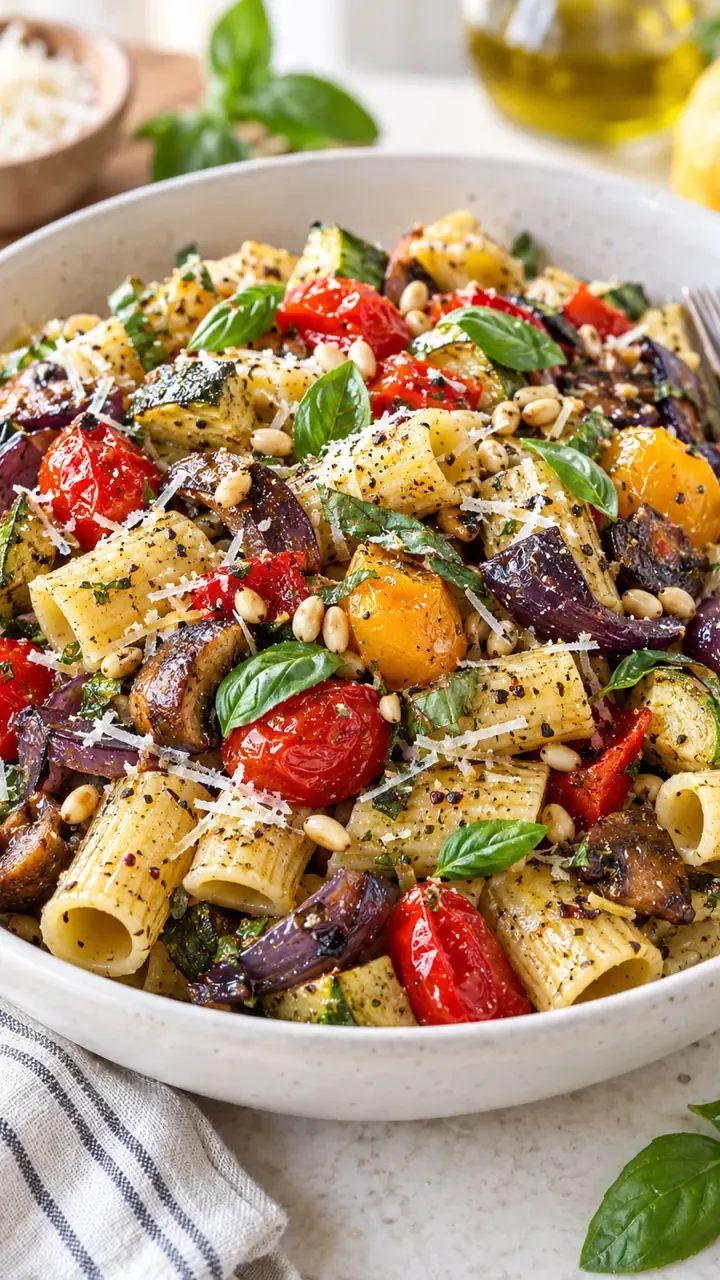
Consider this your farmers-market haul, in pasta form.
Grill Korean-style chicken thighs with a gochujang-honey glaze. Reserve clean sauce before marinating and check the meat with a thermometer.
Joy’s kitchen note · Korean-style chicken is one way my Seoul background meets our American family table. Offer vegetables and extra glaze separately so each person can choose. Check the thickest chicken piece reaches 165°F, and reserve clean glaze before adding raw meat. Used marinade must be boiled before reuse. I like a shared main dish with those small choices, rather than several separate dinners.