Time15 min prep + 10 min cooking (follow dumpling package)
Makes4 servings
Recipe notesRead before cooking
Tastefully Planned,
Joyfully Cooked.

Serve crisp dumplings with cabbage, cucumber and gochujang dressing. Keep the salad undressed until the warm dumplings are ready to serve.
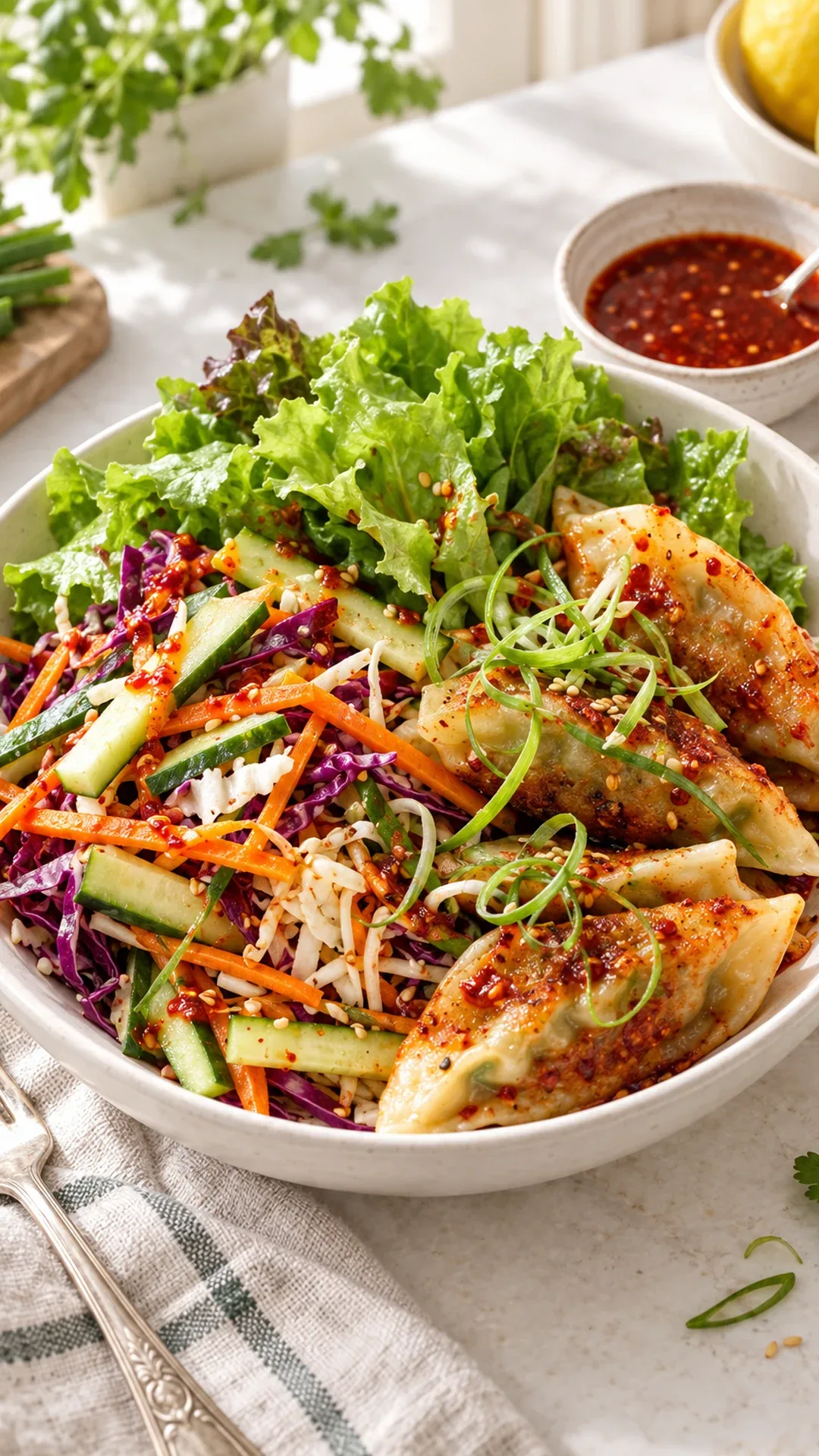
A warm and crunchy meal in one bowl
Dumpling salad works because its parts do not all behave the same way. Warm dumplings bring a soft filling and, if you choose the pan-fried finish, a crisp base. Lettuce, cabbage, carrot and cucumber keep the bowl lively. The gochujang dressing connects them with sweetness, acidity and sesame aroma. It is more interesting when you can still recognize those differences than when everything has been thoroughly soaked together.
For four servings, this recipe uses twelve to sixteen dumplings and a generous bed of vegetables. That range allows for differences in dumpling size, but it also means the package you choose affects how substantial the meal will feel. Use the size of your dumplings to judge how much each serving will provide. If the meal needs a simple supporting dish, plan it before assembly so the salad can reach the table while the dumplings are still appealingly warm.
Read the dumpling package first
Frozen and refrigerated dumplings do not all start in the same state. Some have raw fillings, others contain cooked ingredients, and the wrapper thickness can vary considerably. Read the cooking and storage directions before deciding which pan to use. The timing in this recipe is an outline for organizing dinner, while the package directions govern how your particular dumplings become fully cooked.
The filling is worth considering too. Pork, chicken and vegetable versions each bring a different flavor and level of richness. Choose a filling that you actually want beside the spicy-sweet dressing, and check the ingredient label if anyone at the table has an allergy or restriction. A vegetable name on the front of a package does not tell you everything about the wrapper or seasonings. Keep the original label available until cooking is finished so you are not guessing about water amounts or cooking cues.
Step 1: Cut the vegetables for the salad
The lettuce provides a soft, leafy base, while the two cabbages supply a sturdier crunch. Carrot and cucumber add thinner, firmer bites that can travel with the shredded leaves. Cutting them into manageable strips makes the bowl easier to eat with dumplings than a mixture of long cabbage ribbons and large cucumber chunks. Aim for a balance of shapes rather than making every ingredient identical.
Thoroughly dry the washed lettuce. Water hiding in the leaves dilutes the dressing and gathers under the salad, which can make the dumpling bottoms soggy almost immediately. Cabbage should also be free of excess wash water before shredding or combining. A salad spinner is helpful, but a clean towel and enough draining time can do the job. Dry vegetables are one of the most practical improvements you can make without adding another ingredient.
Step 2: Whisk a dressing that will spread
Gochujang can be quite thick straight from the tub. The vinegar, soy sauce and measured water help loosen it into a dressing that can coat leaves instead of sitting on them in heavy red streaks. Whisk until the honey and sesame oil are well distributed. Scrape along the bottom of the bowl, where a little paste can remain even when the top looks smooth.
Taste the dressing before tossing, remembering that it will be spread across a large volume of vegetables. Look for a clear, lively flavor that will carry through the vegetables when you toss them. Gochujang brands vary, so choosing a milder or hotter product is one way to match the meal to your table. If someone prefers less dressing, keep that portion of vegetables aside before tossing and offer dressing separately. Everyone can enjoy the same meal with the heat adjusted to suit their bowl.
Step 3: Cook the dumplings with your chosen method
Follow the package method, then use the suggested pan-fried finish when a crisp base suits your dumplings. The combination of frying and covered steaming serves two purposes: direct contact colors the bottom, while steam helps cook the wrapper and filling. Water amounts and covered time depend on the product, so avoid borrowing instructions from a different bag just because the dumplings look similar.
Use a pan with enough room for a single layer. Crowding can make it hard to turn or lift the dumplings without tearing them, and the pieces may cook unevenly where they press together. Keep the lid nearby before adding the recommended water, since hot oil and steam need calm handling. Once the dumplings are fully cooked, let the surface texture guide the final uncovered stage. A wet pan base will not give you a crisp bottom simply because the clock has reached a certain minute.
Step 4: Assemble when the table is ready
Toss the vegetables with the first portion of dressing close to serving, then arrange the cooked dumplings over them. This order gives the leaves flavor without asking the hot dumplings to spend a long time in the bowl. Drizzle the remaining dressing over the top with a little restraint around any especially crisp edges. Finish with green onions and sesame seeds so their flavor remains distinct.
A wide serving bowl makes it easier to reach a balanced combination of vegetables and dumplings. In a deep narrow bowl, the dressing can collect at the bottom while everyone takes dumplings from the top. Individual bowls are useful when you want clear portions or different levels of dressing. Either approach can work; the main point is to keep the final assembly close to eating, when warm dumplings and cold vegetables still offer a noticeable contrast.
Buy vegetables with a second use in mind
This recipe uses portions of several vegetables, which is pleasant in the bowl but can leave an unfinished drawer if shopping happens without a plan. Consider what you already have before buying both whole heads of cabbage. A small quantity of prepared shredded cabbage can be sensible when it prevents waste, while a whole head may be the better choice when another meal is already planned around it. Compare usable portions as well as package price.
The remaining carrot, cucumber and green onions can become a simple side or accompany another main dish. Keep them organized so they are easy to see and use. I find produce planning especially relevant with the cost of groceries in America: ingredients left behind are part of the real cost of dinner. This salad should help make a practical meal, not require a week of unrelated purchases to justify one colorful bowl.
Adjust the meal without hiding its flavors
The dressing is spicy, the cabbage is crunchy and the dumplings have their own filling. Describe those parts clearly when serving rather than assuming the sweetness makes the whole bowl mild. A small portion of plain vegetables and a cooked dumpling can sit alongside a dressed serving for someone who wants to begin simply. Keeping components available gives people choices without asking you to prepare a separate main dish.
If you are making the salad as part of a larger meal, use smaller bowls and let the vegetables share space with the other dishes. As a main, distribute the dumplings intentionally so one serving does not receive most of the filling while another is mostly leaves. A spoonful of dressing can change the feel of the bowl quite a lot, so start with the recipe's divided approach and add at the table if wanted. More sauce is easier to offer than to remove.
Plan packed portions before mixing
For a packed meal, keep cooked dumplings, dry vegetables and dressing in separate containers. That protects texture and also makes it possible to handle the dumplings according to their storage and reheating needs. Do not pack raw or partially cooked dumplings with salad in the expectation that a quick warm-up will finish them reliably. Complete the cooking first, then cool and refrigerate promptly as appropriate.
Keep the packed components properly chilled during transport and until eating. If reheating the dumplings, do so separately from the leafy vegetables and assemble afterward. Fully dressed leftovers become softer as they sit, so plan portions realistically and avoid making an oversized mixed bowl simply because the vegetables look abundant. The most useful leftover is often an untouched set of separate components, ready for another meal with the same clear contrast that made the first serving enjoyable.
I plan vegetables for our American lunch boxes instead of assuming they'll appear somewhere else. Keep the dumplings, crunchy salad and dressing separate while packing. Cook your dumplings fully according to the label; homemade ground-pork filling needs to reach 160°F. My daughter and son can then choose different combinations without turning one meal into several cooking jobs.
Joy.Serve crisp dumplings with cabbage, cucumber and gochujang dressing. Keep the salad undressed until the warm dumplings are ready to serve.
Tap each ingredient as it goes into your basket or bowl.
Follow the steps in order to make this recipe.
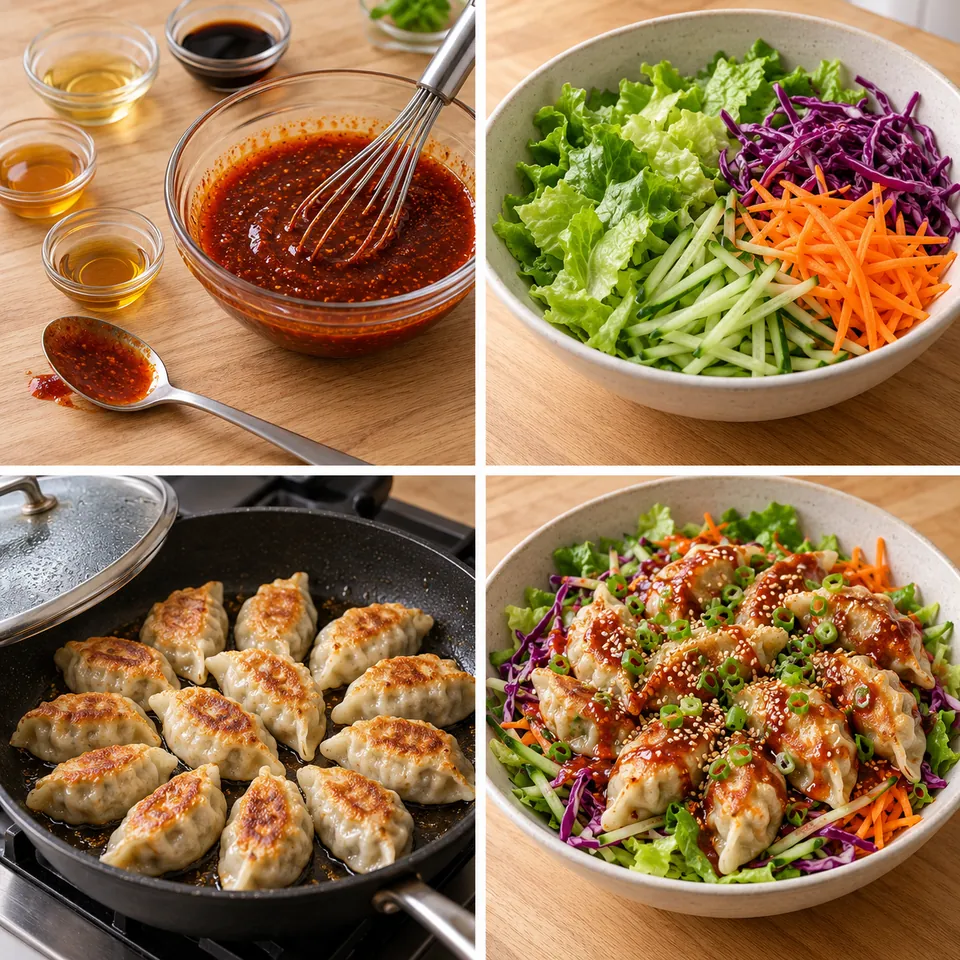
Whisk gochujang, vinegar, soy sauce, honey, sesame oil and water until pourable.
Wash and thoroughly dry lettuce; combine with cabbage, carrot and cucumber.
Cook dumplings as directed on their package. For a crisp finish, pan-fry in a little oil, add the recommended water and cover to steam until fully cooked.
Toss vegetables with half the dressing, arrange hot dumplings over the top, and finish with remaining dressing, scallions and sesame seeds.
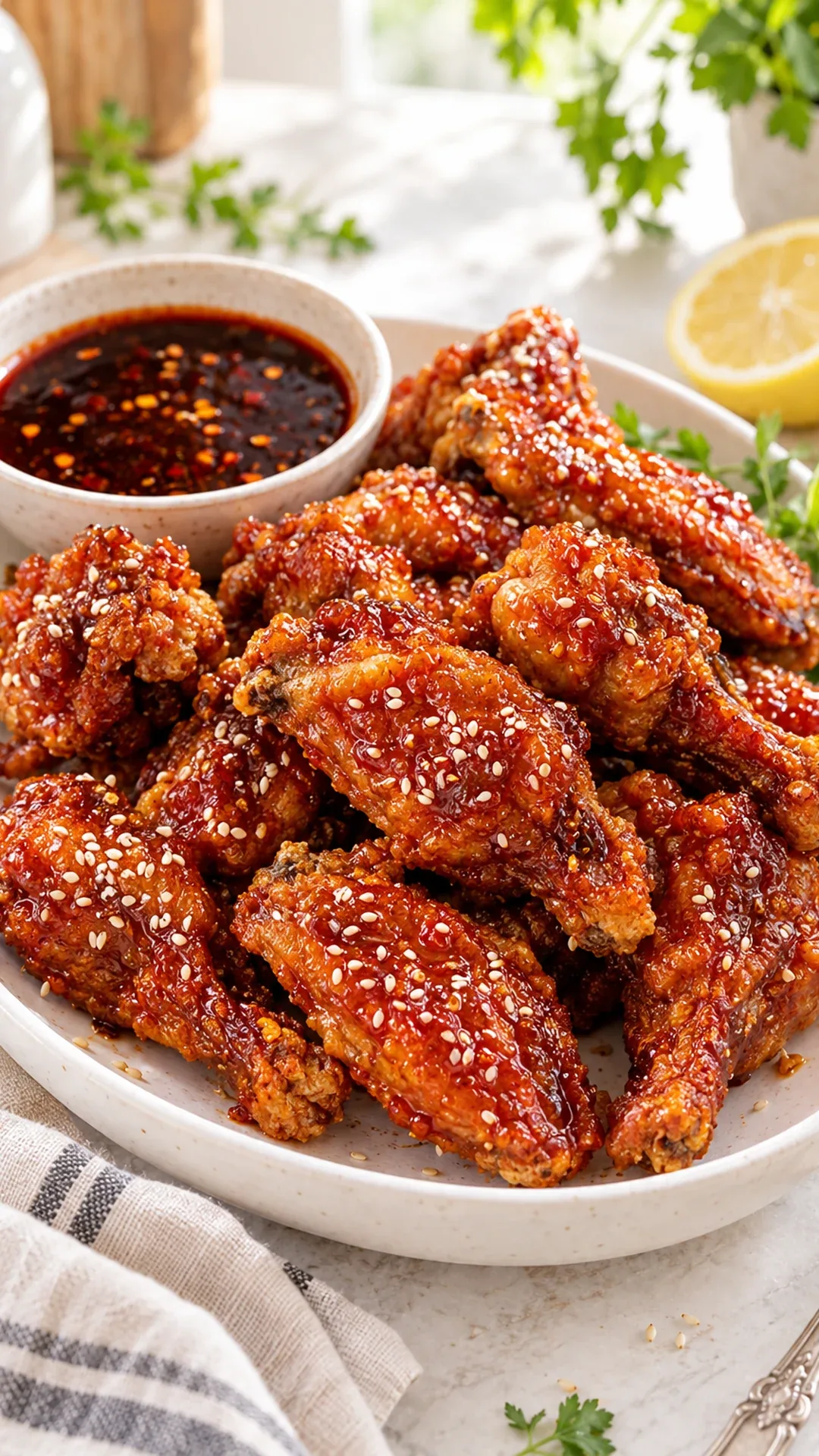
The napkins are not optional.
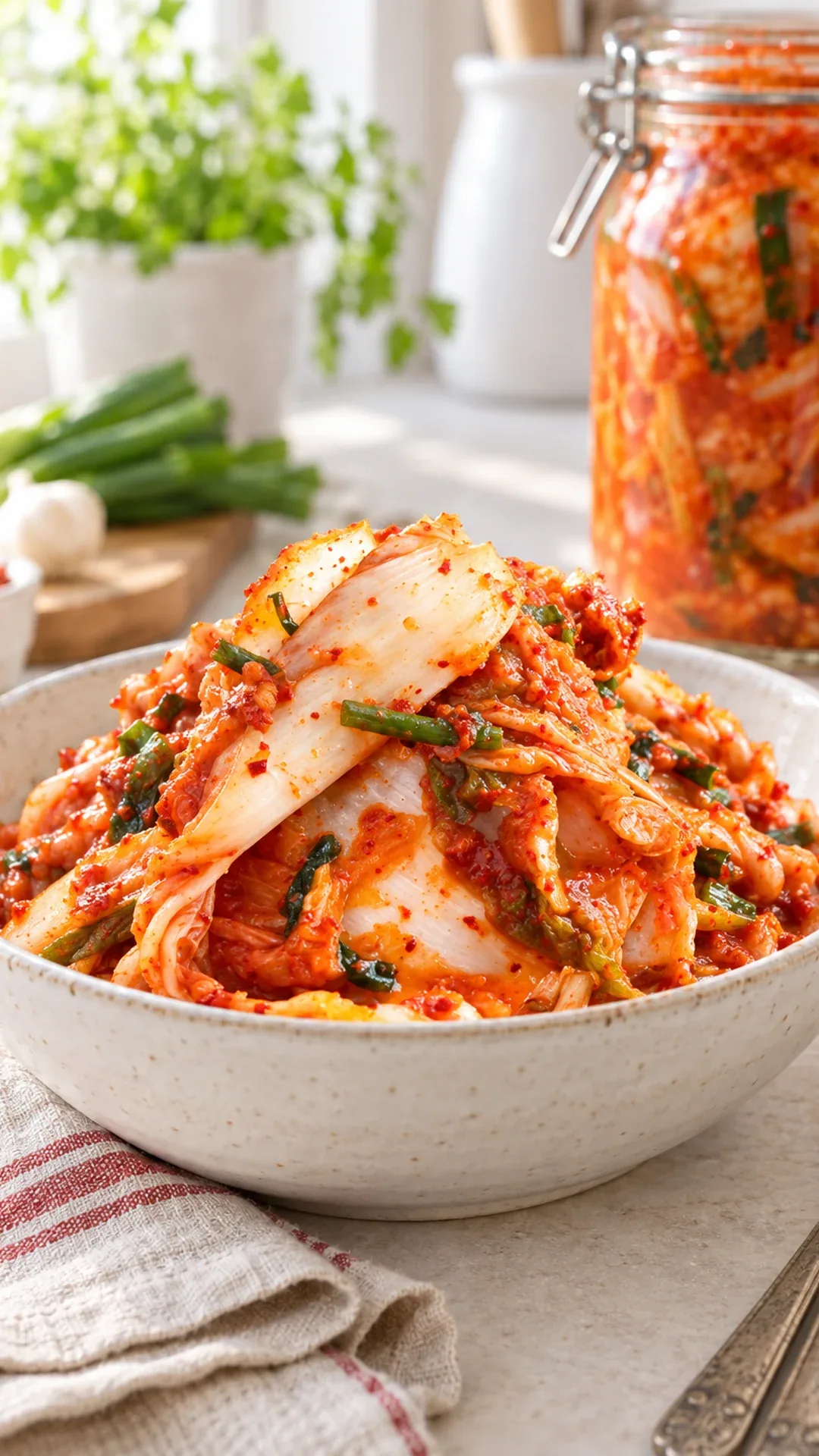
A crunchy, spicy fridge staple starts here.
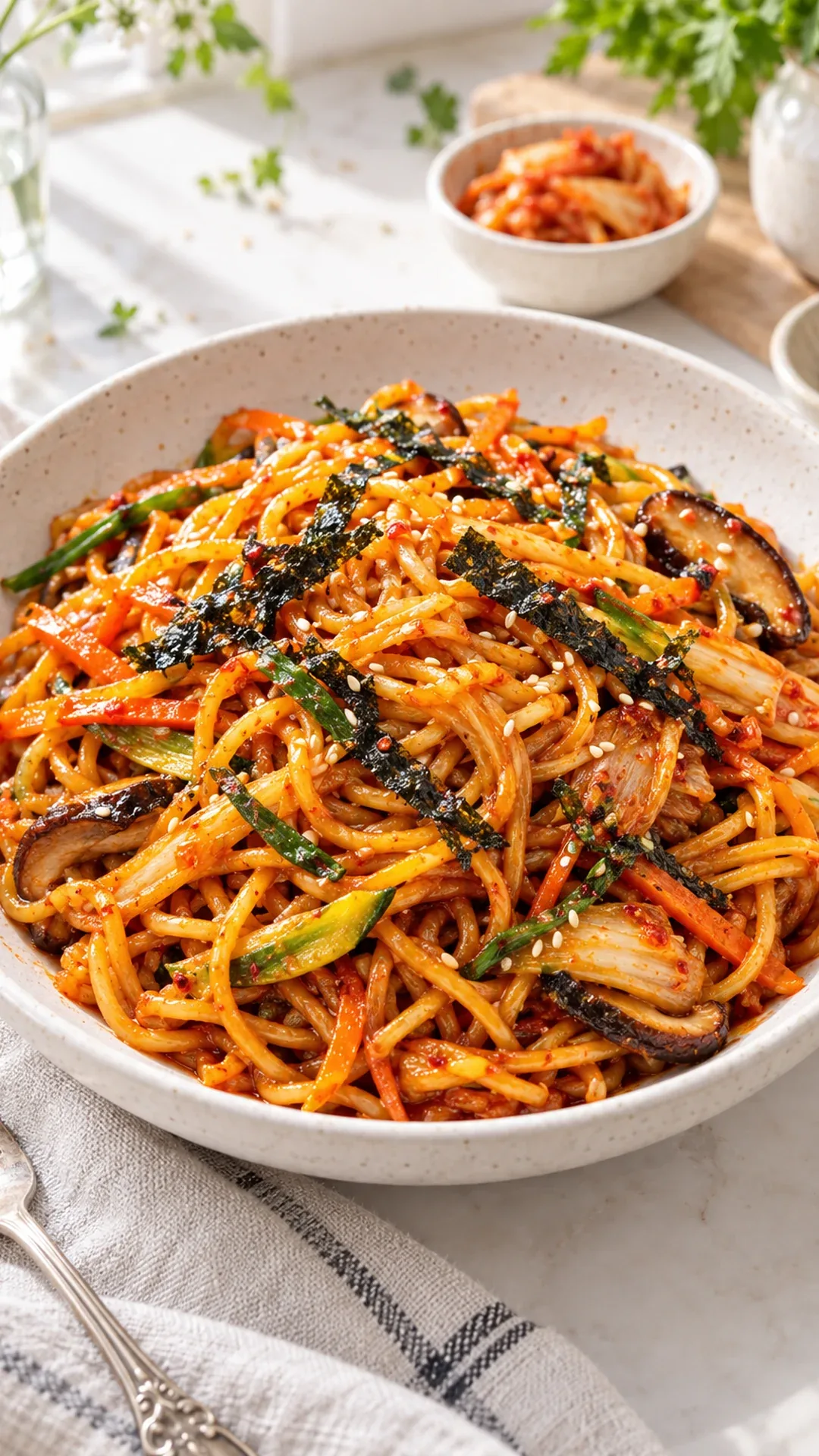
Your leftover kimchi has very good plans.
Serve crisp dumplings with cabbage, cucumber and gochujang dressing. Keep the salad undressed until the warm dumplings are ready to serve.
Joy’s kitchen note · I plan vegetables for our American lunch boxes instead of assuming they'll appear somewhere else. Keep the dumplings, crunchy salad and dressing separate while packing. Cook your dumplings fully according to the label; homemade ground-pork filling needs to reach 160°F. My daughter and son can then choose different combinations without turning one meal into several cooking jobs.